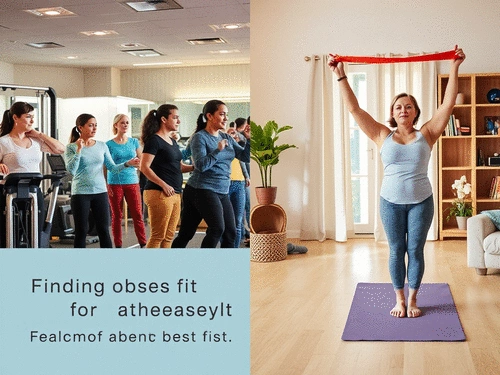
Choosing the right workout approach can feel daunting, but understanding your options empowers you to make informed decisions that align with your fitness goals. Whether you’re looking for the support of a gym environment or the flexibility of at-home workouts, this article unpacks the essential lessons to guide your journey.
What You Will Learn
- Commercial fitness programs offer structured support, a community environment, and professional guidance to enhance workout effectiveness.
- At-home workouts provide flexibility and convenience, allowing you to exercise on your schedule with minimal equipment.
- Regular physical activity is crucial for weight management, boosting metabolism, burning calories, and improving mental health.
- Combining gym and home workouts in a hybrid model can maximize benefits, providing both structure and adaptability to your routine.
- Investing in health through exercise leads to long-term benefits, including lower risks of chronic diseases and improved quality of life.
Workout Approaches: Commercial vs. At-Home
Making an informed choice between commercial fitness programs and at-home workouts is crucial for effective obesity management. Each option presents unique benefits and challenges concerning cost, flexibility, and support. The visual below details key aspects to consider when selecting the right fitness approach for your health journey.
Commercial Fitness Programs
Cost: Monthly membership fees, potential personal training costs, travel expenses.
Benefits: Specialized equipment, professional guidance, community support, structured schedules.
Best For: Individuals thriving in structured environments, seeking diverse equipment, or needing direct professional supervision.
At-Home Workout Options
Cost: Higher initial investment for equipment, but long-term savings without recurring fees.
Benefits: Flexibility, convenience, privacy, tailored to busy schedules, minimal equipment.
Best For: Those needing maximum flexibility, on a budget for recurring costs, or preferring privacy.
Hybrid Approach & Personalized Programs
Combines the best of both worlds: gym classes for structure and home workouts for flexibility. Ideal for severe obesity, allowing personalized programs and virtual training.Example: Gym 2x/week + home workouts other days.
Understanding the Impact of Workouts on Obesity Management
When it comes to managing obesity, understanding the dynamics of exercise is crucial. Workouts can significantly influence weight management strategies through various means, especially when considering the options available today. Whether you prefer the structure of a gym or the convenience of at-home workouts, both have their unique benefits and challenges that can play a pivotal role in your journey toward better health.
In this section, we'll dive deeper into the types of fitness programs available and explore how they affect weight loss and obesity prevention. By demystifying these approaches, I hope to equip you with the knowledge to make informed decisions about your fitness journey!
Defining Commercial Fitness Programs and At-Home Workouts
What Constitutes Commercial Fitness Programs?
Commercial fitness programs typically include structured workout sessions offered at gyms or fitness centers. These programs can range from group classes like Zumba or spin to personalized training sessions with fitness professionals. The key features include:
- Access to specialized equipment
- Professional guidance from certified trainers
- Structured schedules to maintain consistency
- Supportive community environment
These elements provide a unique advantage, especially for those who thrive in a team setting. Plus, having a trainer can help ensure that you are performing exercises correctly, minimizing the risk of injury.

Exploring At-Home Workout Options
On the other hand, at-home workouts allow for flexibility and convenience. All you need is some space and motivation! Here’s what you might find in a typical at-home workout regimen:
- Bodyweight exercises (like squats, push-ups, and lunges)
- Yoga or Pilates routines available via online platforms
- Use of minimal equipment such as resistance bands or dumbbells
- Access to virtual fitness classes
At-home workouts can be tailored to fit your busy schedule, allowing you to exercise when it suits you best. This flexibility can be a game-changer for many individuals trying to integrate fitness into their daily lives!
The Role of Exercise in Weight Loss and Obesity Prevention
How Does Physical Activity Influence Weight Management?
Physical activity is a cornerstone of weight management. It not only helps burn calories but also positively impacts metabolic health. Regular exercise boosts your metabolism, improves insulin sensitivity, and can even enhance your mood! For more detailed insights into the metabolic benefits of exercise, you can refer to this study on exercise and metabolic health. Here are some ways physical activity influences weight management:
- Burns calories, contributing to a calorie deficit
- Increases muscle mass, which in turn raises resting metabolic rate
- Reduces stress levels that can lead to emotional eating
Understanding these benefits underscores the importance of finding an exercise routine that you enjoy. It makes sticking to your goals much easier!
Comparing Fat Loss Mechanisms: Gym vs. Home
While both gym and home workouts can lead to fat loss, the mechanisms might differ slightly. At the gym, you often have access to a wider range of equipment and classes designed to maximize fat-burning. In contrast, at-home workouts may require more creativity but can still be highly effective.
- Gym: Often incorporates high-intensity interval training (HIIT) classes that can lead to rapid fat loss.
- Home: Can utilize bodyweight exercises and online tutorials to create effective workout plans.
Ultimately, the best approach is one that fits your lifestyle and personal preferences! Experimenting with both environments can help you discover what keeps you motivated and engaged.
Health Benefits of Regular Exercise for Obesity Management
Understanding the Mental Health Benefits of Physical Activity
Exercise is not just about physical health; it plays a significant role in mental well-being as well. Engaging in regular physical activity can reduce symptoms of anxiety and depression, improve sleep quality, and enhance overall mood. This is particularly important for individuals managing obesity, as highlighted in research on exercise and mental health in obesity management. Here are some mental health benefits of incorporating regular workouts:
- Releases endorphins, which can elevate your mood
- Provides a sense of accomplishment and boosts self-esteem
- Offers a healthy outlet for stress relief
For many, this aspect of exercise can be just as important as weight loss itself. When you feel good mentally, it’s easier to stick with your health goals!

Long-Term Health Outcomes Associated with Exercise
Regular exercise contributes to numerous long-term health benefits, particularly for individuals managing obesity. It’s not just about shedding pounds; it's about improving your quality of life. Long-term outcomes include:
- Lower risk of chronic diseases such as type 2 diabetes, heart disease, and certain cancers
- Improved cardiovascular health and endurance
- Enhanced functional strength and mobility
These benefits showcase the profound impact that a consistent workout routine can have—not just for today, but for your future health as well! By embracing a balanced approach to exercise, you're setting yourself up for success in managing obesity.
Pro Tip
To maximize the effectiveness of your workouts, consider integrating both commercial fitness programs and at-home workouts into your routine. This hybrid approach not only keeps your fitness regimen fresh and exciting but also allows you to benefit from the structure and support of a gym environment while enjoying the flexibility of exercising at home.
Making an Informed Choice: Which Option is Right for You?
Choosing between commercial fitness programs and at-home workouts can feel overwhelming. Each option has its benefits and drawbacks, making it essential to evaluate them based on your individual needs and circumstances. As Dr. Elena Hartman, I understand that personalization is key when it comes to obesity management. Let's delve into what each option entails and how to make an informed decision.
Cost Comparison: Commercial Programs vs. Home Equipment
When considering cost, it's important to analyze the financial implications of both commercial fitness programs and investing in home workout equipment. Here’s a quick breakdown:
- Commercial fitness programs: Monthly membership fees can add up, especially if you opt for personal training.
- Home equipment: While the initial cost might be higher, you can save in the long run without recurring fees.
- Additional costs: Don’t forget to account for travel expenses and potential class fees in commercial settings.
Ultimately, the better option depends on your budget and commitment level. If you prefer the structure of classes, a gym might suit you better. However, if you’re looking for flexibility, investing in home equipment could be your answer!
Analyzing the Financial Implications of Each Approach
Evaluating the financial impact involves looking at both short-term and long-term expenses. Commercial programs often provide access to professional trainers and a variety of classes, which can justify the cost for many. In contrast, home workouts usually require an upfront investment for equipment, but they offer ongoing savings. Think about your fitness goals and how often you will utilize these programs to determine the best fit for your lifestyle.
Long-Term Investment in Health: Value Assessment
Investing in your health is always a wise decision! Regular physical activity can lead to significant long-term health benefits, such as reduced risk of chronic diseases, improved mental health, and a greater quality of life. Assess the true value of each option based on how they align with your health goals. A short-term financial sacrifice can lead to long-lasting health improvements.
Exploring Hybrid Models for Weight Management
Have you considered a hybrid approach to your workouts? Combining the benefits of both commercial programs and at-home workouts can be an effective strategy for weight management. Let’s explore how this might work for you!
Integrating the Best of Both Worlds
A hybrid model allows you to enjoy the structure and community of a gym while also providing the flexibility of at-home routines. For example, you might attend a couple of gym classes each week while supplementing your routine with workouts at home on other days. This way, you maintain consistency without feeling confined to one setting.
Personalized Programs for Severe Obesity: A Tailored Approach
For individuals facing severe obesity, a tailored approach is crucial. Hybrid models can incorporate personalized programs that cater to your specific needs. Working with a trainer at a commercial gym for guidance while also engaging in home workouts can create a balanced strategy. This flexibility allows for adjustments based on progress and personal comfort levels.
Online Coaching and Virtual Training as a Flexible Option
In today's digital era, online coaching and virtual training options have become increasingly popular. This approach can offer you the benefits of professional guidance without leaving your home. Many trainers offer virtual classes that can easily fit into your schedule, making it a convenient solution for busy individuals. Consider looking into reputable online programs that resonate with your fitness goals.
Frequently Asked Questions (FAQs)
Q: What are the main differences between commercial fitness programs and at-home workouts?
A: Commercial fitness programs offer structured environments, specialized equipment, professional guidance, and community support, often with recurring membership fees. At-home workouts provide flexibility, convenience, privacy, and can be done with minimal equipment, incurring a higher initial investment but no recurring fees.
Q: How does physical activity contribute to weight management and obesity prevention?
A: Physical activity helps burn calories, increases muscle mass (which boosts resting metabolic rate), improves metabolic health and insulin sensitivity, and reduces stress that can lead to emotional eating. These factors collectively aid in weight loss and prevent obesity.
Q: What are the mental health benefits of regular exercise?
A: Regular exercise can significantly improve mental well-being by reducing symptoms of anxiety and depression, improving sleep quality, releasing endorphins that elevate mood, providing a sense of accomplishment, and offering a healthy outlet for stress relief.
Q: What is a hybrid workout approach, and who is it best for?
A: A hybrid approach combines elements of both commercial fitness programs and at-home workouts. For example, attending gym classes a few times a week and doing home workouts on other days. It's ideal for those seeking both structure and flexibility, especially individuals with severe obesity who benefit from personalized programs and virtual training.
Q: How important is nutrition in complementing workout efforts for weight loss?
A: Nutrition is crucial for sustainable weight loss. It complements workouts by fueling your body, supporting muscle recovery, and creating a necessary calorie deficit. A balanced diet with whole foods, lean proteins, fruits, and vegetables is vital for achieving and maintaining weight loss goals.
Final Thoughts and Recommendations for Effective Weight Loss
As we wrap up this discussion, it’s important to remember that the best workout approach is one that aligns with your lifestyle, preferences, and goals. Whether you choose commercial fitness programs, at-home workouts, or a hybrid model, consistency and commitment are key. A recent study highlights the importance of adherence to exercise programs for long-term weight management. So, what will you choose?
Summarizing Key Takeaways on Workout Effectiveness
Here are some key takeaways to help you on your journey:
- Evaluate your budget and choose accordingly.
- Consider hybrid models for flexibility and support.
- Personalize your approach based on your unique needs.
Implementing these strategies can set the foundation for a successful weight loss journey!
Highlighting the Best Practices for Sustained Weight Loss
Sustained weight loss requires a multifaceted approach that combines exercise, nutrition, and lifestyle changes. Regularly assess your progress and be open to adjusting your methods as needed. Remember, small changes can lead to significant results over time!
Understanding the Role of Nutrition in Weight Loss
Exercise is only one piece of the puzzle. Proper nutrition complements your workouts and plays a vital role in achieving weight loss goals. Have you thought about how your dietary choices impact your fitness efforts? This connection is crucial for long-term success.
Exploring Dietary Plans to Complement Workout Efforts
Creating a balanced diet that supports your workout routine can enhance your results significantly. Focus on incorporating whole foods, lean proteins, and plenty of fruits and vegetables into your meals. As a health professional, I recommend considering personalized nutrition plans to address your specific needs and preferences. Remember, food fuels your workouts!
Call to Action: Taking the Next Step Towards Health
Now that you have a better understanding of your options, it’s time to make a decision. What will your next step be? Whether you’re leaning towards a gym membership, setting up a home gym, or considering a hybrid approach, I encourage you to take action!
Encouraging Readers to Choose Their Best Workout Approach
Find a workout plan that excites you and fits your lifestyle. You deserve to feel empowered and confident in your fitness journey. Don’t hesitate to explore various options until you find what resonates with you!
Inviting Reader Engagement: Share Your Experience and Feedback
I’d love to hear about your experiences with different workout approaches! Have you tried both commercial programs and at-home workouts? What worked best for you? Your feedback can inspire others on their journey towards managing obesity and achieving their fitness goals!
Recap of Key Points
Here is a quick recap of the important points discussed in the article:
- Understanding the benefits of both commercial fitness programs and at-home workouts for effective obesity management.
- Physical activity is essential for weight management, helping to burn calories and improve metabolic health.
- Mental health benefits of regular exercise include reduced anxiety and improved mood.
- Consider a hybrid approach to workouts for flexibility and support in your fitness journey.
- Personalizing your fitness plan is crucial to ensure it aligns with your lifestyle and preferences.
- Nutrition plays a vital role in complementing workout efforts for sustainable weight loss.