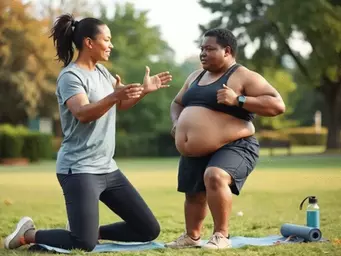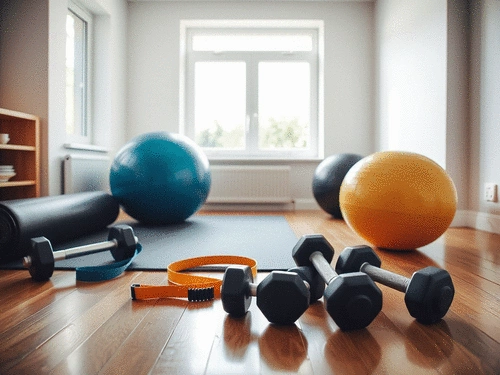
As you embark on your fitness journey, understanding your unique goals can be the key to success. Are you trying to lose weight, gain muscle, or simply improve your overall health? By identifying your objectives, you can make informed decisions that set you on the right path.
What You Will Learn
- The importance of defining your fitness goals for effective equipment selection.
- How to identify weight loss objectives and choose suitable equipment based on your fitness level.
- Key health considerations to assess before selecting fitness equipment, especially for those with obesity.
- Tips for setting realistic fitness goals to maintain motivation and ensure sustainable progress.
- Methods to evaluate different types of fitness equipment tailored for home use.
- How to create a personalized selection framework for fitness equipment based on your needs.
- Strategies for developing personalized workout plans that keep your routine exciting and effective.
Personalized Equipment Selection: A Decision Tree Approach
This visual outlines a personalized framework for selecting home fitness equipment based on fitness level and available space, along with individual health considerations and workout plan development.
Decision Tree: Fitness Level & Space
Beginner Level: Focus on versatile equipment (resistance bands, stability balls).
Intermediate Level: Consider machines (stationary bikes, adjustable dumbbells).
Advanced Level: Explore multifunctional strength machines, high-end cardio.
Health & Mobility Considerations
Consult healthcare provider for personalized insights.
Prioritize low-impact options (rowing machines, stationary bikes) for joint health.
Listen to your body and modify as needed.
Developing Personalized Workout Plans
Mix cardio and strength training for balanced fitness.
Schedule specific days for different workouts to avoid monotony.
Track progress and adjust plans based on what works best.
Understanding Your Fitness Goals for Effective Equipment Choices
When we embark on a fitness journey, it's essential to start by understanding our unique fitness goals. This not only helps us select the right equipment but also ensures that we are setting ourselves up for success. Are you aiming for weight loss, muscle gain, or simply improved overall health? Knowing where you want to go can make the path clearer and the choices easier!
As we navigate the complexities of obesity and fitness, it's crucial to recognize that each individual's journey is different. Consider your current fitness level and how comfortable you feel with various types of activities. If you're just starting out, the focus might be more on establishing a routine rather than pushing for intense workouts. This understanding will guide your equipment choices and help you find what works best for you. For further guidance on selecting home exercise equipment, the American Academy of Orthopaedic Surgeons (AAOS) offers valuable insights.

Identifying Weight Loss Objectives and Fitness Levels
Let's dive deeper into your specific weight loss objectives. Are you looking to shed a few pounds, or is your goal more substantial? This distinction is vital as it influences what kind of equipment will be most beneficial for you. For example:
- If your goal is to boost cardio endurance, a treadmill or stationary bike can be excellent choices.
- For strength building, investing in weights or resistance bands may better suit your needs.
- Consider how often you plan to work out; this can dictate whether you need versatile equipment for varied exercises.
Understanding these factors ensures that your fitness journey is aligned with realistic expectations. Remember, it's about progress, not perfection!
Assessing Individual Health Considerations Related to Obesity
Before making any equipment decisions, it’s wise to assess your individual health considerations. Are there any pre-existing conditions or mobility restrictions that you should keep in mind? For instance:
- Consulting with a healthcare provider can offer personalized insights into safe exercise practices.
- If joint health is a concern, low-impact options like rowing machines or stationary bikes might be ideal.
- Listening to your body is key; any discomfort should be addressed with appropriate modifications.
By taking these health factors into account, you can choose equipment that not only aligns with your fitness goals but also promotes long-term well-being. The American College of Sports Medicine (ACSM) provides comprehensive guidelines on fitness and health that can help in this assessment.
Setting Realistic Fitness Goals for Sustainable Progress
Now that you've identified your objectives and health considerations, it’s time to set some realistic fitness goals. This step is crucial for maintaining motivation and ensuring sustainable progress. Here are some tips to help you set achievable goals:
- Focus on short-term goals that lead to a larger objective, such as losing 1-2 pounds per week.
- Incorporate specific activities into your routine, like walking for 30 minutes three times a week.
- Track your progress; it helps to see how far you’ve come and adjust your goals as needed.
Goals should inspire you, not overwhelm you! By setting realistic targets, you’re more likely to celebrate small victories along the way, keeping your spirits high as you work towards your ultimate fitness aspirations.
Evaluating Different Types of Fitness Equipment for Home Use
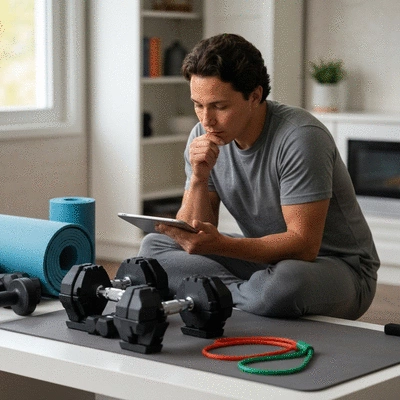
As we move forward, it's crucial to evaluate the various types of fitness equipment available for home use. With the right tools, you can create an effective workout space that caters to your specific needs. Let’s explore some options!
Pro Tip
Did you know? Incorporating a variety of fitness activities not only keeps your workout routine exciting but also targets different muscle groups, enhancing overall fitness. Consider mixing cardio, strength training, and flexibility exercises to create a well-rounded program that meets your goals!
Creating a Personalized Equipment Selection Framework
When it comes to selecting the right fitness equipment for your home, a personalized approach can make all the difference! By understanding your fitness level and available space, you can choose the tools that will best support your journey toward better health. Let's delve into how to create a framework that tailors to your unique needs.
One effective method to begin your selection is to utilize a decision tree that categorizes equipment based on your fitness level and available space. This way, you can avoid feeling overwhelmed by the myriad of choices out there! Adhering to guidelines, such as those from the FDA for exercise equipment, can also ensure safety and effectiveness.
Decision Tree for Equipment Based on Fitness Level and Space
- Beginner Level: Focus on versatile equipment such as resistance bands or stability balls.
- Intermediate Level: Consider incorporating machines like stationary bikes or adjustable dumbbells.
- Advanced Level: Explore multifunctional strength machines or high-end cardio equipment.
By categorizing your equipment like this, you can make informed decisions that align with your current abilities and space constraints. Each level has its benefits, and starting where you feel comfortable is essential!
Key Considerations for Individual Health and Mobility
It's crucial to assess any individual health considerations before making equipment choices. For those dealing with obesity or other health concerns, comfort and safety should always come first! For instance, consider equipment that offers support, such as:
- Low-impact cardio machines to reduce stress on joints.
- Adjustable resistance settings to cater to varying strength levels.
- Equipment with stability features to enhance safety during workouts.
Understanding your body’s unique needs ensures that you choose equipment that not only helps you reach your fitness goals but also supports your overall well-being.
Developing Personalized Workout Plans for Home Fitness
Now that you have a framework for selecting equipment, it's time to create a personalized workout plan! This is where your specific goals and preferences come into play. Incorporating variety into your routine can keep things exciting and effective. Here are some tips to consider:
- Mix cardio and strength training for balanced fitness.
- Schedule specific days for different workouts to avoid monotony.
- Track your progress and adjust your plans based on what works best for you.
By developing a plan that resonates with your interests and lifestyle, you are more likely to stick with your routine! Remember, consistency is key, and your home gym should feel like a welcoming space where you can thrive.
Frequently Asked Questions (FAQs)
Here are some common questions about choosing fitness equipment and setting goals:
- Q: Why is it important to define my fitness goals before buying equipment?
A: Defining your fitness goals (e.g., weight loss, muscle gain, overall health) helps you select equipment that is most effective for achieving those specific objectives, preventing wasted time and money. - Q: How do I know what fitness level I am?
A: Your fitness level can be assessed by your comfort with various activities. Beginners might focus on basic exercises with versatile equipment like resistance bands, while advanced individuals might use more complex machines or high-intensity cardio. - Q: What health considerations should I keep in mind when choosing equipment, especially with obesity?
A: It's crucial to consult a healthcare provider for personalized advice. Prioritize low-impact options like rowing machines or stationary bikes for joint health, and choose equipment with stability features and adjustable resistance settings to ensure safety and comfort. - Q: How can I set realistic fitness goals?
A: Set short-term, achievable goals that lead to a larger objective (e.g., losing 1-2 pounds per week, walking 30 minutes thrice weekly). Track your progress to stay motivated and adjust goals as needed. - Q: What types of equipment are best for home use for beginners?
A: For beginners, versatile and space-efficient equipment like resistance bands, stability balls, and jump ropes are excellent starting points. They allow for a variety of exercises without requiring a large investment or much space. - Q: How can I make my home workout plan exciting and effective?
A: Mix cardio and strength training to target different muscle groups. Schedule specific days for different types of workouts to avoid monotony, and track your progress to see what works best and make adjustments.
Recap of Key Points
Here is a quick recap of the important points discussed in the article:
- Identify your fitness goals to select the right equipment for your journey, whether it's weight loss, muscle gain, or improving overall health.
- Assess your current fitness level and health considerations, including any pre-existing conditions, to make informed equipment choices.
- Set realistic and achievable fitness goals that inspire you and promote sustainable progress over time.
- Evaluate different types of fitness equipment suitable for home use based on your needs and available space.
- Develop a personalized workout plan that incorporates variety and aligns with your goals to maintain motivation and consistency.