Have you ever considered the profound impact that whole grains can have on your weight management journey? These powerhouse foods not only nourish our bodies but also help us feel fuller longer, making weight loss more achievable. Let’s explore the essential benefits and insights you can gain from incorporating whole grains into your diet.
What You Will Learn
- Whole grains are defined as grains containing all parts of the kernel: bran, germ, and endosperm, providing essential nutrients.
- High fiber content in whole grains promotes satiety, helping to curb overeating and manage weight effectively.
- Whole grains are linked to a lower glycemic index, which helps maintain stable blood sugar levels and reduces cravings.
- Incorporating whole grains into your meals can lead to healthier food choices and lower overall caloric intake.
The Whole Grain Advantage: Key Benefits for Weight Management
Whole grains are powerful allies in weight management, offering significant benefits that contribute to a healthier lifestyle. Below, we highlight their key contributions to satiety, reduced caloric intake, and stable blood sugar levels.
Dietary Fiber & Satiety
High fiber content keeps you feeling full longer, reducing overall food intake and curbing overeating. This is a fundamental mechanism for effective weight management.
Reduced Caloric Intake
Nutrient-dense whole grains displace less healthy, calorie-heavy options, leading to lower overall calorie consumption without sacrificing vital nutrients.
Stable Glycemic Index
Low GI foods prevent blood sugar spikes, helping to control cravings and maintain consistent energy levels throughout the day, crucial for sustained weight management.
Understanding the Role of Whole Grains in Weight Management
When it comes to weight management, whole grains often deserve a spotlight! These nutrient-packed foods play a significant role in our diets, but what exactly are they, and why should we care? Let’s dive into the details and see how incorporating whole grains can benefit our health and weight management efforts.
What Are Whole Grains and Why Are They Important?
Definition of Whole Grains and Examples (Oats, Brown Rice, Quinoa)
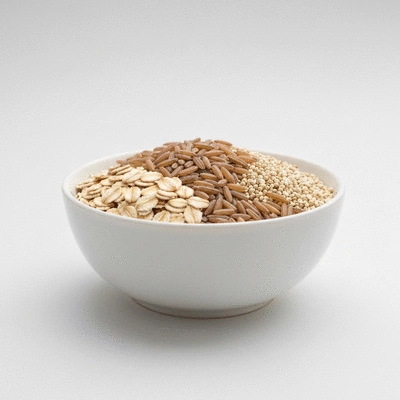
Whole grains are grains that contain all three parts of the grain kernel: the bran, germ, and endosperm. Unlike refined grains, which have been stripped of these nutritious components, whole grains are packed with essential nutrients. Common examples include:
- Oats - a hearty breakfast favorite!
- Brown Rice - a versatile side dish.
- Quinoa - a protein-rich grain perfect for salads.
These grains not only enhance our meals but also bring a variety of health benefits that can help in managing obesity effectively.
The Nutritional Profile of Whole Grains: Fiber and Beyond
One of the standout features of whole grains is their high fiber content. Fiber is essential for digestion and keeps us feeling full longer, which is crucial in weight management. Beyond fiber, whole grains offer an array of vitamins and minerals that contribute to overall health. They provide:
- Vitamin B, which supports energy metabolism.
- Magnesium, important for muscle function and energy production.
- Iron, vital for carrying oxygen in the blood.
By incorporating these grains into our diets, we not only boost our nutritional intake but also support our weight loss goals!
Key Nutrients in Whole Grains: Vitamins, Minerals, and Antioxidants
Whole grains are truly nutritional powerhouses! They are rich in important nutrients, including antioxidants, which help combat oxidative stress in the body. Some key nutrients found in whole grains include:
- Folate - supports cell division and growth.
- Phosphorus - essential for maintaining healthy bones and teeth.
- Vitamin E - a powerful antioxidant that protects our cells.
These nutrients work together to enhance our metabolic health, making whole grains a fantastic choice for long-term weight management.
How Whole Grains Support Weight Loss Efforts
The Connection Between Dietary Fiber and Satiety
Have you ever noticed how a bowl of oatmeal keeps you satisfied well into the morning? That's the magic of dietary fiber at play! High-fiber foods, like whole grains, increase feelings of fullness, which can help curb overeating. Studies suggest that incorporating more fiber-rich foods into your diet leads to better weight management outcomes. For instance, the 2025 Dietary Guidelines Advisory Committee Report affirms the importance of whole grains for overall health, including weight management.
So, if you're looking to manage your weight effectively, increasing your intake of whole grains is a simple yet impactful strategy!
Reducing Caloric Intake: Mechanisms Behind Whole Grains
Whole grains can also help reduce overall caloric intake. Because they are nutrient-dense and high in fiber, they naturally displace less healthy options in our meals. This means fewer calories consumed without sacrificing nutrition. Incorporating whole grains can lead to:
- Lower calorie consumption overall.
- Improved food choices throughout the day.
- Enhanced ability to manage hunger cues.
By making whole grains a staple in our diets, we promote healthier eating habits that support weight management.
The Role of Glycemic Index in Weight Management
Another important aspect of whole grains is their glycemic index (GI). Foods with a low GI release glucose slowly into the bloodstream, preventing spikes in blood sugar. This stability is crucial for weight management because it helps control cravings and maintain energy levels throughout the day. Whole grains, such as barley and whole wheat bread, typically have a lower GI compared to their refined counterparts, making them a smart choice for anyone looking to manage their weight effectively.
Incorporating whole grains into our diets isn't just about losing weight; it’s about creating a sustainable and healthy lifestyle. Let's continue exploring how these incredible foods can empower us on our journey towards better health!
Frequently Asked Questions About Whole Grains and Weight Management
We Want to Hear From You!
How do you currently incorporate whole grains into your diet? Share your favorite whole grain recipes or meal ideas with us below:
Summarizing the Benefits of Whole Grains for Weight Management
When it comes to managing weight, the benefits of whole grains truly stand out. These foods not only deliver essential nutrients but also play a crucial role in reducing obesity risk. Understanding the comprehensive value of whole grains in our diets is key to making informed choices that promote overall health.
At What Is Obesity, we advocate for a balanced approach to nutrition, emphasizing the importance of incorporating whole grains into your daily meals. Not only do they provide vital vitamins and minerals, but they also help keep you feeling full longer, which can curb overeating. So, why not take a moment to appreciate the power of whole grains?
The Comprehensive Value of Whole Grains in Reducing Obesity Risk

Reinforcing the importance of a whole grain diet can significantly impact your weight management journey. Whole grains are packed with dietary fiber, which contributes to satiety and can help stabilize blood sugar levels. This stability is particularly important in preventing the spikes and crashes that can lead to unhealthy snacking habits. Research published in PMC NCBI further supports the role of whole grains in metabolic health and weight management.
- Whole grains improve digestion and promote a healthy gut microbiome.
- They are linked to lower body weight and reduced risk of chronic diseases.
- Incorporating whole grains can enhance your nutrient intake without adding excessive calories.
Encouraging healthy lifestyle choices beyond diet is equally important. While whole grains are a fantastic addition to your meals, combining them with regular exercise and mindful eating can enhance their benefits. Imagine how much more progress you can make when you tackle weight management with a holistic approach!
Encouraging Healthy Lifestyle Choices Beyond Diet
Incorporating whole grains into your diet is just one piece of the puzzle. Engaging in physical activity and making mindful choices about your meals can create a synergistic effect that enhances your weight loss efforts. Think about how a simple change, like choosing whole grain bread over white bread, can lead to greater overall health!
The Role of Whole Grains in Diabetes Prevention
Whole grains also play a vital role in diabetes prevention. Studies have shown that individuals who consume whole grains have a lower risk of developing type 2 diabetes. By enhancing insulin sensitivity and improving blood sugar control, whole grains can contribute to a healthier metabolic profile. So, as you think about your weight management strategy, consider how whole grains can support not just your waistline but your overall health.
Taking Action: How to Start Including Whole Grains Today
Ready to make whole grains a staple in your diet? Taking action is easier than you might think! Here are some simple steps to integrate whole grains into your daily routine:
- Start your day with whole grain oatmeal or whole grain toast.
- Swap out white rice for brown rice or quinoa in your meals.
- Experiment with whole grain pastas or breads in your favorite recipes.
By taking small, consistent steps, you'll find that incorporating whole grains into your meals becomes second nature. Remember, at What Is Obesity, we believe that every little change counts toward a healthier you!
Resources and Tools for Further Guidance on Whole Grains
To help you on this journey, we provide a wealth of resources and tools designed to make the transition to whole grains smoother. From recipes to meal planning guides, you'll find everything you need to confidently include whole grains in your diet.
Connecting with Nutritionists for Ongoing Support
Lastly, don’t hesitate to reach out to a nutritionist for personalized guidance. They can help you tailor your whole grain choices based on your lifestyle and dietary preferences. Remember, support is crucial, and having a professional in your corner can make all the difference in achieving your health goals!
Recap of Key Points
Here is a quick recap of the important points discussed in the article:
- Whole grains include the bran, germ, and endosperm, providing essential nutrients and health benefits.
- High fiber content in whole grains promotes satiety, helping with weight management and reducing overeating.
- Whole grains can lower overall caloric intake by displacing less healthy food options in meals.
- Foods with a low glycemic index, like whole grains, help stabilize blood sugar levels and reduce cravings.
- Incorporating whole grains into your diet can enhance nutrient intake while maintaining calorie balance.