What if a simple walk could transform your life? For seniors living with obesity, that’s not just a possibility—it’s a pathway to a healthier, more fulfilling lifestyle. Engaging in safe exercise can unlock numerous benefits that enhance physical and mental well-being.
What You Will Learn
- Exercise promotes weight management and reduces health risks associated with obesity.
- Regular physical activity improves balance and coordination, helping to prevent falls.
- Engaging in exercise enhances mental well-being, alleviating symptoms of anxiety and depression.
- A personalized fitness plan can address individual needs and capabilities for safer workouts.
- Low-impact exercises, such as chair yoga and water aerobics, are effective for seniors.
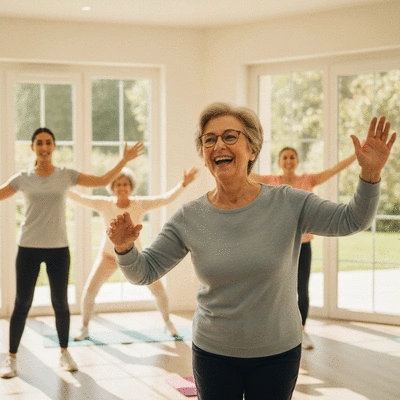
- Community support through group classes can encourage consistency and motivation.
Key Pillars of Safe Exercise for Obese Seniors
This visual highlights the critical steps and components for establishing a safe and effective exercise routine for obese seniors, from initial assessment to ongoing support.
Health Assessments: Evaluate Readiness
Before starting, consult healthcare professionals to check heart health, mobility, and overall fitness. This ensures safety and helps tailor a plan.
Low-Impact Exercises: Gentle Movement
Focus on activities like chair yoga, water aerobics, and gentle walks. These reduce joint strain while building strength and flexibility.
Personalized Plans & Goals
Tailor an exercise plan to individual needs, limitations, and goals. Start small, track progress, and gradually increase intensity.
Support & Consistency: Stay Engaged
Seek guidance from personal trainers, join community groups, and access online resources. Consistency is key for long-term benefits.
Understanding the Importance of Safe Exercise for Obese Seniors
As we age, maintaining our health becomes increasingly important, especially for seniors living with obesity. Regular physical activity can offer numerous health benefits that significantly enhance quality of life. Exercise not only aids in weight loss but also improves mobility, reduces the risk of chronic diseases, and fosters better mental health. Have you ever noticed how a simple walk can lift your spirits? That's one of the many ways exercise can positively impact your mind and body!
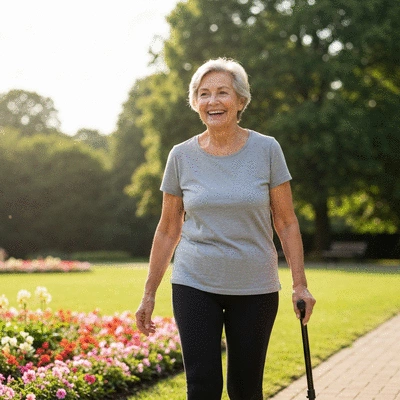
Incorporating safe exercise into daily routines can lead to improved cardiovascular health, increased muscle strength, and enhanced flexibility. For seniors, these benefits can translate to greater independence and the ability to enjoy daily activities without discomfort. Remember, it's never too late to start moving! The CDC provides comprehensive physical activity guidelines for older adults, emphasizing the importance of staying active for overall well-being.
Why Exercise Matters for Seniors with Obesity
- Promotes weight management and reduces obesity-related health risks
- Improves balance and coordination, which can prevent falls
- Enhances mental well-being, reducing symptoms of anxiety and depression
- Increases energy levels, making daily tasks easier
Understanding the significance of exercise is crucial for seniors. Not only can it lead to weight loss, but it can also improve overall well-being. Think of exercise as a tool that helps us live our best lives, allowing us to engage more fully with our families and communities.
Common Barriers to Exercise for Obese Seniors
Despite the numerous benefits, many seniors face challenges when it comes to starting an exercise routine. Physical limitations like joint pain or reduced mobility can make even simple movements difficult. Additionally, emotional barriers such as fear of injury or previous negative experiences with exercise can hold seniors back. Have you ever felt anxious about trying a new activity? You're not alone!
Environmental factors also play a role. Access to safe spaces for exercise, such as parks or community centers, may be limited. Addressing these barriers is vital for creating an encouraging environment where seniors can thrive. As an advocate for health, I believe it's essential to recognize these challenges and work together to overcome them.
Health Assessments: Evaluating Readiness for Exercise
Before embarking on any new exercise program, it's crucial for seniors to undergo a health assessment. Consulting with healthcare professionals helps evaluate your readiness for exercise and ensures safety. During these assessments, doctors can identify any underlying conditions that may affect physical activity.
Health assessments might include checking heart health, mobility limitations, and overall physical fitness levels. This step not only provides a clear picture of where you stand but also helps in developing a tailored exercise plan that meets individual needs and goals. By taking this proactive approach, seniors can feel more confident and prepared to embrace a healthier lifestyle! The University of Arizona offers detailed physical exercise guidelines that emphasize the importance of medical clearance before starting any new regimen.
Pro Tip
Did you know? Starting your exercise journey with just 10 minutes a day can lead to significant improvements in both physical and mental health for seniors. Gradually increase your activity level as you build confidence and strength. Remember, every small step contributes to your overall well-being!
Wrapping Up Safe Exercise Strategies for Obese Seniors
As we reflect on the importance of safe exercise for obese seniors, it's clear that a thoughtful approach can lead to remarkable health benefits. We've explored low-impact exercises like chair yoga and water aerobics, which offer gentle ways to stay active. Additionally, building a personalized exercise plan ensures that each senior can participate in a way that respects their unique challenges and goals.
Remember, the key is to prioritize safety and effectiveness in these fitness strategies. Incorporating elements like strength and balance training can significantly enhance mobility and reduce fall risk, making every movement more secure and beneficial! The Office of Disease Prevention and Health Promotion offers quick tips for older adults to stay active, focusing on safe and effective methods.
Recap of Key Fitness Tips
- Engage in low-impact exercises that are easy on the joints.
- Create a personalized fitness plan tailored to individual needs.
- Set realistic goals and track your progress.
- Incorporate strength and balance training to maintain mobility.
- Seek community support through group classes or local programs.
These strategies can pave the way for a healthier lifestyle, encouraging our senior community to embrace movement as a joyful part of their daily routine. As I always say, it's about progress, not perfection!
Encouragement to Start Small and Stay Consistent
Starting small is essential—there’s no need to jump into an intense regimen right away. Focus on manageable exercises that fit comfortably within your capabilities. For instance, even a short daily walk can lead to significant progress over time!
Consistency is key; aim to integrate these activities into your routine gradually. As you build confidence, you can increase the intensity and duration of your workouts, embracing new challenges along the way. Have you thought about what small step you can take today?
Frequently Asked Questions About Safe Exercise for Obese Seniors
- Q: Why is exercise particularly important for seniors living with obesity?
- A: Exercise is crucial for obese seniors because it aids in weight management, improves mobility, reduces the risk of chronic diseases, and enhances mental well-being, all of which contribute to a higher quality of life and greater independence.
- Q: What are some common barriers to exercise for obese seniors?
- A: Common barriers include physical limitations like joint pain and reduced mobility, emotional factors such as fear of injury, and environmental challenges like limited access to safe exercise spaces.
- Q: What kind of exercise is recommended for obese seniors?
- A: Low-impact exercises like chair yoga, water aerobics, and gentle walking are highly recommended. These activities reduce joint strain while still building strength and flexibility.
- Q: How important are health assessments before starting an exercise program?
- A: Health assessments are critically important. They help evaluate a senior's readiness for exercise, identify any underlying health conditions, and allow healthcare professionals to tailor a safe and effective exercise plan.
- Q: How can seniors stay motivated and consistent with their exercise routine?
- A: Starting small, setting realistic goals, tracking progress, and seeking community support through group classes or personal trainers can help seniors stay motivated and consistent. Gradually increasing intensity as confidence builds is also key.
Next Steps for Your Fitness Journey
Accessing Resources and Getting Started
There are numerous senior-friendly exercise resources available to help you on your journey. Websites like What Is Obesity offer guides on various exercises tailored for seniors, including local programs that focus on safe practices. Don't hesitate to check out community centers for group classes designed specifically for senior fitness!
Additionally, many libraries and online platforms have workout videos and tutorials that can provide you with safe, guided movements to follow along with.
The Role of Personal Trainers in Your Fitness Journey
Working with a personal trainer can be a valuable asset, especially for seniors looking to embark on a fitness routine. Trainers can provide tailored guidance, ensuring that you’re performing exercises correctly and safely. They can also help develop a plan that considers any comorbidities or physical limitations you might face.
This personalized attention can make a significant difference in your fitness journey, allowing you to progress at your own pace while receiving the support you need. Have you considered reaching out for professional guidance?
Call to Action: Join the Movement for Healthier Living
Now is the time to take the first step towards a healthier lifestyle! I encourage you to explore the safe exercise strategies we've discussed and integrate them into your daily routine. Whether it’s starting with gentle stretches or joining a local class, every action counts!
Let’s embrace this journey together and foster a community of support and encouragement. Remember, it’s all about taking those small steps, celebrating your progress, and moving towards a healthier you! What will your first step be?
Recap of Key Points
Here is a quick recap of the important points discussed in the article:
- Regular exercise offers significant health benefits for obese seniors, including improved mobility and reduced chronic disease risk.
- Incorporating safe exercise into daily routines can enhance cardiovascular health, muscle strength, and flexibility.
- Common barriers such as physical limitations and emotional fears should be addressed to encourage participation in exercise.
- Health assessments are crucial for evaluating readiness for exercise and creating personalized fitness plans.
- Engaging in low-impact exercises and building community support can foster a more active lifestyle for seniors.