How often do we consider the hidden impact of our daily choices on our health? The connection between inflammation and obesity is a crucial aspect that can transform the way we approach weight management and overall well-being.
What You Will Learn
- Chronic inflammation can lead to weight gain and create a cycle that complicates obesity management.
- Processed foods, chronic stress, environmental toxins, and inadequate exercise are key contributors to inflammation.
- A diet rich in whole foods, including fruits, vegetables, and healthy fats, is essential for reducing inflammation and promoting weight loss.
- Incorporating probiotics and fermented foods into your diet can improve gut health, aiding in inflammation management.
The Inflammation-Obesity Connection: Causes, Dietary Solutions, and Practical Steps
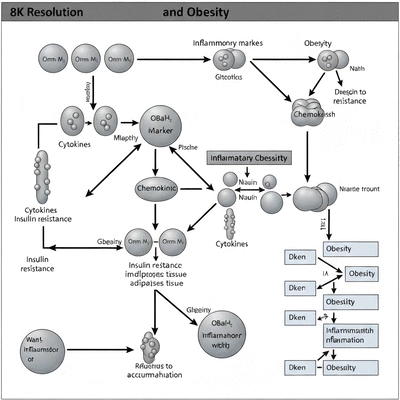
Understanding the intricate relationship between inflammation and obesity is crucial for effective health management. This visual breaks down the key factors contributing to this cycle, highlights dietary interventions, and offers practical steps for integrating anti-inflammatory foods into your daily routine.
Causes of Inflammation & Weight Gain
- •Processed foods (sugars, unhealthy fats)
- •Chronic stress & lack of sleep
- •Environmental toxins
- •Inadequate physical activity
Dietary Strategies & Food Choices
- •More fruits & vegetables
- •Whole grains (vs refined carbs)
- •Healthy fats (fish, nuts, olive oil)
- •Limit sugar & processed foods
Key Anti-Inflammatory Foods
- •Fatty Fish: Omega-3s (salmon, mackerel)
- •Nuts: Healthy fats, antioxidants
- •Fruits: Vitamins, antioxidants (berries, apples)
- •Leafy Greens: Nutrient-rich (spinach, kale)
Practical Implementation Steps
- •Start Small: Yogurt/kefir at breakfast
- •Add Fermented Veggies: Sauerkraut, kimchi
- •Use Vinegars: Apple cider in dressing
- •Engage: Share experiences, seek community support
Understanding Inflammation and Obesity: The Connection
When we delve into the world of obesity, one factor that often emerges is inflammation. But what exactly is the connection? Inflammation is our body's natural response to injury or infection, but chronic inflammation can lead to health issues, including weight gain. This can create a vicious cycle where obesity itself promotes inflammation, further complicating the management of weight. Have you ever considered how your body reacts to certain foods and how that might influence your weight?
Understanding this connection is crucial because it lays the groundwork for effective obesity management. By identifying the causes of inflammation, we can take actionable steps toward breaking this cycle. It's not just about what we eat but how our bodies respond to those choices!
What Causes Inflammation and Weight Gain?
Several factors can contribute to inflammation and, consequently, weight gain. Here are some key causes that might surprise you:
- Processed foods high in sugars and unhealthy fats
- Chronic stress and lack of sleep
- Environmental toxins and pollutants
- Inadequate physical activity
Each of these elements plays a significant role in raising inflammatory markers in the body. For instance, consuming too much processed food can lead to an inflammatory response, making it more challenging to maintain a healthy weight. Recognizing these triggers is the first step toward taking control of your health.
The Role of Diet in Managing Inflammation and Obesity
Your diet is one of the most impactful areas you can focus on when it comes to managing inflammation and obesity. Eating a balanced diet rich in whole, nutrient-dense foods can help reduce inflammation and promote weight loss. Here are some dietary strategies to consider:
- Incorporate more fruits and vegetables into your meals
- Opt for whole grains over refined carbs
- Choose healthy fats, such as those from fish, nuts, and olive oil
- Limit sugar and processed food intake
As I often emphasize on What Is Obesity, it’s about making informed choices that empower you. Each meal is an opportunity to either fuel your body or contribute to inflammation. So, why not choose foods that nourish your body and help manage obesity effectively?
We Want to Hear From You!
What strategies have you found most effective in managing inflammation and obesity? Share your thoughts below:
Summary of Foods That Reduce Inflammation and Obesity
Understanding how food choices can influence inflammation and obesity is vital for achieving better health outcomes. The right foods can not only help manage weight but also reduce inflammation in the body. By choosing nutrient-dense options, you can pave your way toward a healthier lifestyle and improved metabolic health.
Incorporating foods like fatty fish, nuts, fruits, and vegetables into your daily diet can be a game-changer. Each of these food categories offers unique benefits that can aid in reducing inflammation and supporting weight management. So, let's explore some of these key food choices!
The Importance of Making Informed Choices About Foods Like Fatty Fish and Nuts
- Fatty Fish: Rich in omega-3 fatty acids, fatty fish like salmon and mackerel can significantly reduce inflammation.
- Nuts: A great source of healthy fats, nuts provide satiety and are packed with antioxidants that combat inflammation.
- Fruits: Berries, oranges, and apples are not only delicious but also high in vitamins and antioxidants.
- Leafy Greens: Vegetables like spinach and kale are nutrient-rich and can lower inflammatory markers in the body.
By making informed food choices, you're not just focusing on weight loss—you're also enhancing your overall health! Have you tried incorporating these foods into your meals? The potential benefits are significant.
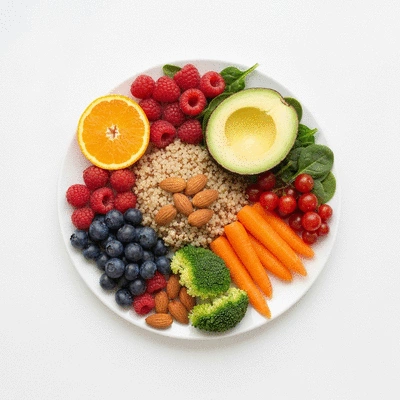
How a Balanced Diet Can Transform Your Health: Integrating Fruits, Vegetables, and Whole Grains
A balanced diet is a cornerstone of effective weight management and reducing inflammation. Emphasizing whole, unprocessed foods like fruits, vegetables, and whole grains can lead to impressive health transformations. This isn't just about what you eat but how it makes you feel!
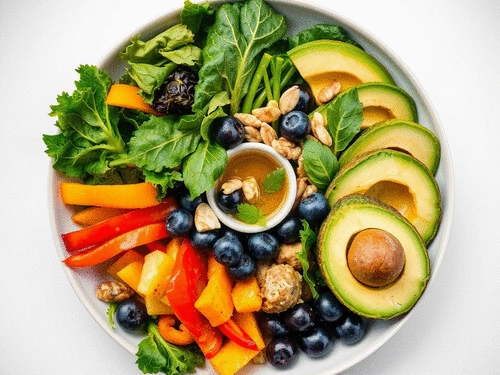
- Fruits and Vegetables: Aim for a variety of colors on your plate to maximize nutrient intake—think vibrant reds, greens, and yellows!
- Whole Grains: Choose grains like quinoa, brown rice, and oats that provide fiber and promote gut health.
- Healthy Fats: Incorporate sources like olive oil, avocados, and fatty fish to support heart health.
When you prioritize these foods, you're taking a proactive step in your health journey. As I always say, it's about progress, not perfection! Small changes can lead to significant results over time.
Engage with Your Health Journey
Practical Steps for Implementation: Tips for Adding Probiotics and Fermented Foods
Adding probiotics and fermented foods into your diet can immensely benefit your health. These foods help balance the gut microbiome, which plays a crucial role in inflammation and weight management. If you're curious about how to get started, here are some practical steps:
- Start Small: Begin by incorporating a serving of yogurt or kefir into your breakfast.
- Add Fermented Vegetables: Include options like sauerkraut or kimchi as side dishes.
- Use Vinegars Wisely: A splash of apple cider vinegar in your salad dressing can be a simple way to boost your intake.
By gradually including these foods, you may notice improvements in digestion and overall well-being. Remember, every step counts, so make changes that feel right for you!
Join the Conversation: Share Your Experiences with Anti-Inflammatory Foods
Your health journey is unique, and sharing experiences can foster community and support. Have you found specific anti-inflammatory foods that work wonders for you? I encourage you to join the conversation! Connect with others who are also exploring the benefits of these foods and exchange meal ideas and recipes.
At What Is Obesity, we believe in the power of community and shared knowledge. Together, we can inspire one another to make healthier choices and lead more vibrant lives. So, what's your favorite anti-inflammatory food? Let's chat!
Recap of Key Points
Here is a quick recap of the important points discussed in the article:
- Chronic inflammation can contribute to obesity, creating a cycle that complicates weight management.
- Key causes of inflammation include processed foods, chronic stress, lack of sleep, and inadequate physical activity.
- A diet rich in whole foods, including fruits, vegetables, whole grains, and healthy fats, can help reduce inflammation and support weight management.
- Incorporating foods like fatty fish, nuts, and leafy greens can significantly aid in lowering inflammatory markers and promoting health.
- Making small, informed dietary choices can lead to significant health improvements over time, emphasizing the importance of progress over perfection.
Frequently Asked Questions About Inflammation and Obesity
- What is the connection between inflammation and obesity?
- Chronic inflammation can contribute to weight gain, and obesity itself can promote further inflammation, creating a challenging cycle for weight management. Understanding this link is crucial for effective health strategies.
- What are the main causes of inflammation that can lead to weight gain?
- Key causes include a diet high in processed foods (sugars, unhealthy fats), chronic stress, inadequate sleep, environmental toxins, and a lack of physical activity. These factors can elevate inflammatory markers in the body.
- How can diet help manage inflammation and obesity?
- A balanced diet rich in whole, nutrient-dense foods like fruits, vegetables, whole grains, and healthy fats can significantly reduce inflammation and support weight loss. Limiting sugar and processed foods is also vital.
- What are some key anti-inflammatory foods?
- Foods rich in omega-3 fatty acids like fatty fish (salmon, mackerel), nuts (for healthy fats and antioxidants), fruits (like berries and apples for vitamins and antioxidants), and leafy greens (spinach, kale) are excellent choices.
- How can I incorporate probiotics and fermented foods into my diet?
- Start small by adding yogurt or kefir to your breakfast. Gradually include fermented vegetables like sauerkraut or kimchi as side dishes. Using apple cider vinegar in salad dressings is another simple way to boost your intake and support gut health.