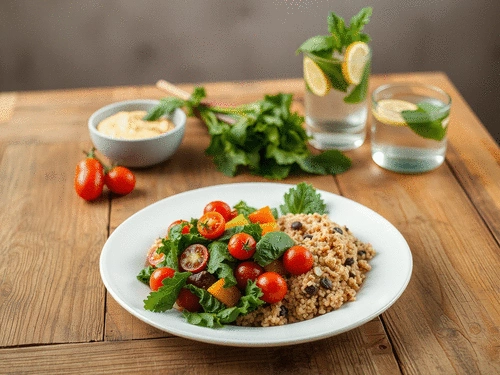
What if your next meal could be a step towards better health? Embracing a plant-based diet might just be the change you need! This approach not only supports weight management but also enhances overall wellbeing through nutrient-dense foods.
What You Will Learn
- A plant-based diet emphasizes whole, unprocessed foods primarily from plants, offering a wealth of health benefits.
- High fiber content in plant-based foods promotes satiety, aiding in weight loss and reduced cravings.
- Phytonutrients found in plant foods can lower inflammation and support metabolic health.
- Transitioning to a plant-based diet can be gradual, allowing individuals to incorporate more plant foods over time.
- Embracing this lifestyle can lead to improved heart health, digestive health, and decreased risk of chronic diseases.
Key Impacts of Plant-Based Diets on Obesity Management
Exploring how emphasizing plant-derived foods contributes to healthier body weight and metabolic function.
Understanding Plant-Based Diets in Obesity Management
In today's health landscape, many individuals are exploring plant-based diets as an effective tool for managing obesity. But what exactly is a plant-based diet? Simply put, it focuses on foods derived from plants, including fruits, vegetables, grains, legumes, nuts, and seeds. Some people may still include animal products in small amounts, but the primary emphasis is on whole, unprocessed plant foods. This approach not only supports weight management but also offers a myriad of health benefits.
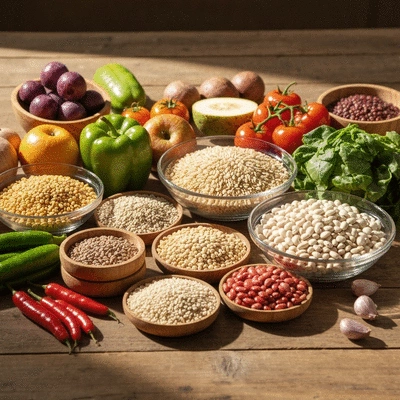
Transitioning to a plant-based diet can seem challenging, but it’s an empowering journey towards better health! I often remind my clients that it’s about progress, not perfection. Embracing more whole foods can lead to positive changes in your body and overall wellbeing.
What Is a Plant-Based Diet?
A plant-based diet prioritizes plant-derived foods while minimizing or eliminating animal products. This doesn't mean you have to go vegan overnight! You can start by incorporating more plant foods into your meals. Here are some key components of a plant-based diet:
- Fruits and vegetables
- Whole grains such as brown rice and quinoa
- Legumes, including beans, lentils, and chickpeas
- Nuts and seeds for healthy fats
By focusing on these foods, individuals can create satisfying meals that are both nutritious and delicious. Have you thought about how these foods can fit into your daily routine? Just remember, small changes can lead to significant impacts over time!
How Do Plant-Based Diets Impact Weight Loss?
Evidence suggests that plant-based diets can support weight loss efforts. This is due in part to their high fiber content, which helps keep you feeling full longer. When combined with a mindful approach to eating, this can lead to reduced calorie intake and weight management. Here are a few ways plant-based diets may help:
- Lower overall calorie density, which means you can eat larger portions
- Increased intake of vitamins and minerals that boost metabolism
- Enhanced satiety from high-fiber foods, reducing cravings
It’s exciting to think about how shifting towards a plant-based diet can transform your eating patterns! Many of my clients find that once they start incorporating more fruits and vegetables, their cravings for processed foods diminish.
Exploring the Role of Nutritional Science in Plant-Based Diets
Nutritional science provides valuable insights into the effectiveness of plant-based diets for obesity management. Research shows that plant foods are rich in essential nutrients while being low in unhealthy fats and sugars. This balance is key for maintaining a healthy weight and improving metabolic function. Additionally, studies highlight the importance of phytonutrients, which are found in plant foods and can support overall health. Consider the following:
- Phytonutrients can reduce inflammation, which is linked to obesity
- Antioxidants in fruits and vegetables help combat oxidative stress
- Plant proteins can support muscle maintenance during weight loss
Understanding the science behind these diets can motivate you to make informed food choices. Each meal can become an opportunity to nourish your body and support your health journey, reinforcing the mission of What Is Obesity to promote awareness and understanding of effective obesity management strategies!
Unfortunately, the search results do not provide a specific YouTube video that matches the criteria "Plant-Based Diets for Obesity Management: A Scientific Review." However, I can suggest a video that might be relevant and fits some of the criteria:If you need a more specific video, I recommend searching directly on YouTube for the topic "Plant-Based Diets for Obesity Management: A Scientific Review" to find a video that meets your exact criteria.We Want to Hear From You!
What has been your experience with plant-based diets? Are you excited to incorporate more plant foods into your meals, or have you faced challenges? Share your thoughts and questions below:
Frequently Asked Questions About Plant-Based Diets and Obesity Management
Summarizing the Benefits of Plant-Based Diets for Obesity Management
As we explore the complexities of obesity management, the evidence surrounding plant-based diets stands out. Research has consistently shown that these diets not only support weight loss but also contribute to overall health improvements. Let’s dive into some key takeaways from scientific studies that highlight these benefits!
- Plant-based diets typically lead to reduced calorie intake while maintaining satiety.
- These diets are rich in fiber, which aids in digestion and promotes a healthy gut microbiome.
- Studies demonstrate lower rates of obesity and related chronic diseases among individuals adhering to plant-based diets. For instance, research published in PMC11890674 highlights these positive associations.
- Plant-based eating patterns can enhance metabolic health, improving insulin sensitivity and blood sugar control.
These findings underscore the importance of incorporating more plant-based foods into our daily meals. By choosing whole, minimally processed foods, we can effectively combat obesity while nurturing our bodies!

Encouraging Sustainable Eating for Weight Loss and Health
Transitioning to a plant-based diet doesn’t have to be overwhelming. In fact, it can be a rewarding journey toward healthier eating habits and sustainable weight loss. Here are some practical tips to encourage you along the way:
- Start small by incorporating one or two plant-based meals into your weekly routine.
- Experiment with new recipes featuring fruits, vegetables, whole grains, and legumes.
- Join a local cooking class or an online community to share ideas and gain support.
Remember, it’s about progress, not perfection! Making small changes gradually will lead to lasting habits that support your journey towards a healthier you.
The Health Benefits of Adopting a Plant-Based Lifestyle
Embracing a plant-based lifestyle can yield numerous health benefits that extend beyond weight management. When I reflect on my journey in promoting metabolic health, I see how individuals gain energy, improve their mood, and foster a better relationship with food. Here are some of the most compelling health benefits:
- Improved heart health due to lower cholesterol levels and reduced blood pressure.
- Enhanced digestive health from increased fiber intake.
- A decreased risk of chronic diseases, such as diabetes and certain cancers.
- Better mental clarity and mood stabilization, attributed to nutrient-dense foods.
These benefits illustrate why shifting toward a more plant-based diet is not just a trend but a valuable approach to enhancing our overall health. So, what’s stopping you from taking that first step?
Taking the Next Steps Towards a Healthier Lifestyle
Resources for Starting Your Plant-Based Journey
As you contemplate adopting a plant-based diet, it’s essential to have the right resources at your fingertips. The following tools can help guide you in this transition:
- Online meal planning platforms that offer plant-based recipes.
- Nutritional guides focused on plant-based eating.
- Support forums and communities for sharing experiences and recipes.
These resources can make the transition smoother and more enjoyable. Remember, you’re not alone on this journey!
Join the Conversation: Share Your Experience and Questions
I invite you to engage with me and our community at What Is Obesity. Have you tried incorporating plant-based meals into your diet? What challenges or successes have you experienced? Your stories and questions can inspire others who are on similar journeys. Together, we can foster a supportive environment as we explore healthier lifestyles!
Recap of Key Points
Here is a quick recap of the important points discussed in the article:
- Plant-based diets focus primarily on whole foods derived from plants, which can support effective weight management.
- Incorporating more fruits, vegetables, whole grains, legumes, nuts, and seeds can lead to improved health outcomes and weight loss.
- High fiber content in plant-based foods enhances satiety, reduces cravings, and helps manage calorie intake.
- Nutritional science highlights the benefits of phytonutrients, antioxidants, and plant proteins for overall health and metabolic function.
- Transitioning to a plant-based diet can be gradual and rewarding, promoting healthier eating habits over time.