What if the secret to better health lies in understanding the very foods we consume? The link between processed foods and obesity isn’t just a passing trend; it’s a vital conversation that affects us all. By unraveling this connection, we can empower ourselves to make informed dietary choices that promote better health.
What You Will Learn
- The NOVA classification system categorizes foods to highlight the differences between processed and minimally processed options.
- Ultra-processed foods contain artificial ingredients and preservatives that can contribute to health issues like obesity.
- Consuming ultra-processed foods can account for over 60% of daily caloric intake in certain populations.
- Socioeconomic factors and marketing strategies significantly influence dietary choices, often leading to a preference for cheaper, processed foods.
- Understanding behavioral triggers can help in making healthier food choices and overcoming reliance on processed foods.
- Practical interventions like meal planning and community programs can support healthier eating habits and promote nutritional education.
Understanding the Impact of Ultra-Processed Foods
The visual below illustrates key aspects of ultra-processed food consumption, their classification, and the factors influencing dietary choices. It highlights how these foods differ from minimally processed options and the significant role they play in global diets.
NOVA Classification: Ultra-Processed Foods
Industrial formulations with non-culinary ingredients:
- Hydrogenated oils
- High-fructose corn syrup
- Artificial preservatives
- Flavor enhancers
(Source: NOVA Classification System)
Minimally Processed Foods
Undergo some processing, retain natural characteristics:
- Frozen fruits and vegetables
- Whole grain bread
- Canned beans
- Fewer additives
(Source: Article Distinctions)
Global Ultra-Processed Food Consumption
of daily caloric intake in some regions consists of ultra-processed foods.
(Source: Recent studies data)
Key Factors Influencing Dietary Choices
- Socioeconomic factors (e.g., lower income opting for cheaper options)
- Marketing strategies (attractive packaging, advertising)
- Behavioral factors (stress, boredom, social gatherings)
- Lifestyle (busy schedules, lack of meal planning)
(Source: Article analysis)
The Connection Between Processed Foods and Obesity: An Overview
Understanding the link between processed foods and obesity is crucial in today's health landscape. As we dive into this topic, it’s important to grasp what we mean by processed foods and how they fit into our diets. This knowledge serves as a foundation for recognizing their impact on our health and weight management. So, let's explore the definitions and classifications of processed foods together!
Understanding Processed Foods: Definitions and Classifications
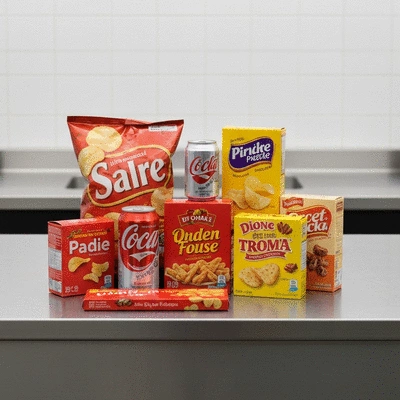
Processed foods can be categorized based on how they are made and their nutritional content. The NOVA classification system separates foods into four groups, with ultra-processed foods taking center stage due to their high levels of refining and additives. These foods often contain ingredients that you wouldn't normally find in a home kitchen, such as artificial flavors and preservatives. For a deeper understanding of food processing, the National Center for Biotechnology Information provides valuable insights into the classification of foods.
Defining Ultra-Processed Foods Using the NOVA Classification
According to the NOVA classification, ultra-processed foods are industrial formulations that contain ingredients not typically used in cooking. These can include:
- Hydrogenated oils
- High-fructose corn syrup
- Artificial preservatives
- Flavor enhancers
By understanding these definitions, we can better appreciate how these foods differ from more natural options.
How Processed Foods Differ from Minimally Processed Options
On the other hand, minimally processed foods are those that have undergone some processing but still retain most of their natural characteristics. Examples include:
- Frozen fruits and vegetables
- Whole grain bread
- Canned beans
These foods generally contain fewer additives and are more aligned with a healthy diet. Recognizing this distinction can help us make better dietary choices.
The Rising Trend of Ultra-Processed Food Consumption
As we look at the bigger picture, it's evident that ultra-processed food consumption is on the rise globally. This is concerning, as these foods are often associated with obesity and related health issues. Recent data from sources like the CDC highlight the increasing prevalence of obesity in the United States, a trend often linked to dietary patterns that include a high intake of processed foods.
Statistical Insights into Global Consumption Patterns
Recent studies show that ultra-processed foods account for a significant portion of daily caloric intake in many countries. For example, data reveals that in some regions, over 60% of the diet consists of these foods. This alarming trend prompts us to examine the underlying causes.
Socioeconomic Factors Influencing Dietary Choices
Various socioeconomic factors play a role in our food choices. Often, individuals from lower income backgrounds may opt for cheaper, processed foods over fresh, whole ingredients. This highlights a critical need for equitable access to nutritious options. The Trust for America's Health provides further analysis on how socioeconomic disparities contribute to health outcomes, including obesity.
The Role of Marketing Strategies in Promoting Processed Foods
Marketing also plays a pivotal role in the prevalence of processed foods. With attractive packaging and persuasive advertising, these foods can easily dominate grocery store aisles, making them more appealing than healthier choices. Understanding this influence can empower us to make more informed decisions.
Pro Tip
To make healthier choices in your diet, consider incorporating more whole foods into your meals. Start by adding one new fruit or vegetable each week, or try swapping out a processed snack for a handful of nuts or seeds. Small changes can lead to significant improvements in your overall health!
Frequently Asked Questions About Processed Foods and Obesity
What is the NOVA classification system?
The NOVA classification system categorizes foods into four groups based on the nature and extent of industrial processing. Ultra-processed foods are the fourth group, characterized by industrial formulations with non-culinary ingredients.
How do ultra-processed foods contribute to obesity?
Ultra-processed foods often contain high levels of unhealthy fats, sugars, and artificial ingredients, which can lead to overconsumption, increased caloric intake, and a higher risk of obesity and related health issues.
What is the difference between ultra-processed and minimally processed foods?
Ultra-processed foods are industrial formulations with many additives and non-culinary ingredients, while minimally processed foods have undergone some processing but retain most of their natural characteristics and typically have fewer additives.
What are some socioeconomic factors that influence processed food consumption?
Socioeconomic factors, such as lower income, can lead individuals to choose cheaper, processed foods over more expensive, fresh options. Additionally, busy lifestyles and a lack of access to healthy food options contribute to this trend.
What practical steps can I take to reduce my consumption of processed foods?
Practical steps include meal planning, stocking your pantry with whole, unprocessed foods, cooking in batches, and consciously opting for fresh fruits, vegetables, and whole grains over packaged snacks and meals.
Addressing the Challenges of Reducing Processed Food Consumption
Reducing our consumption of processed foods is no easy task. As I often tell my clients, our eating habits are shaped by a variety of factors, many of which are deeply ingrained in our daily lives. Understanding these behavioral factors can help us navigate our choices more effectively. Whether it’s social influences, emotional triggers, or simply convenience, these elements play a significant role in the foods we choose to eat.
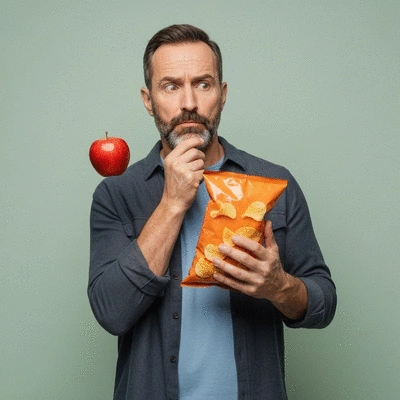
Behavioral Factors Influencing Eating Habits
One of the most intriguing aspects of dietary choices is how psychological and social influences can sway our decisions. Many people find themselves reaching for processed foods when they’re stressed, bored, or celebrating with friends. This connection between mood and food isn’t just anecdotal; it’s backed by research showing that our emotions can drive us toward less healthy options.
- Social gatherings often feature processed foods, which can create a sense of obligation to indulge.
- Advertising and marketing tactics can make these foods appear more appealing than whole foods.
- Peer pressure among friends and family can lead to choices that prioritize convenience over nutrition.
On the other hand, lifestyle factors such as busy schedules and lack of meal planning can also contribute to a reliance on quick, processed options. It’s important to recognize these patterns so we can make conscious efforts to change them. Are there times in your week when you feel overwhelmed, leading you to grab a fast-food meal rather than preparing something nutritious? Identifying these moments is the first step toward healthier habits!
Effective Interventions and Practical Guidance
So how can we counteract these challenges? Making healthier food choices doesn’t have to be a daunting task! I believe that with the right strategies, we can all incorporate better options into our diets. Here are some practical tips to help you on this journey:
- Plan your meals for the week ahead to avoid impulse buys and last-minute takeout.
- Stock your pantry with healthy snacks like nuts, seeds, and dried fruits to curb cravings.
- Try cooking in batches on weekends, making it easier to have nutritious meals ready during busy weekdays.
Community and educational programs play a crucial role in promoting healthy eating habits as well. Programs that involve hands-on cooking experiences or local farmers' markets can teach valuable skills while fostering a sense of community. Additionally, these initiatives often highlight the benefits of whole foods and help to shift cultural perceptions about nutrition.
The Role of Nutritional Education in Combatting the Obesity Epidemic
Education is key in our fight against obesity. The more we know about what’s on our plates, the better equipped we are to make informed choices. As we continue to develop resources on What Is Obesity, I aim to empower individuals with knowledge about proper nutrition and the impact of processed foods on health. By understanding the ingredients in our food and their effects on our bodies, we can start making changes that lead to healthier lifestyles.
Recap of Key Points
Here is a quick recap of the important points discussed in the article:
- Processed foods are categorized into groups, with ultra-processed foods containing additives and artificial ingredients.
- Minimally processed foods retain natural characteristics and are generally healthier options.
- The rise in ultra-processed food consumption is linked to obesity and health issues.
- Socioeconomic factors and marketing strategies significantly influence dietary choices.
- Behavioral factors, such as stress and convenience, shape our eating habits, often leading to processed food consumption.
- Practical strategies for healthier eating include meal planning, stocking healthy snacks, and cooking in batches.
- Nutritional education is key to empowering individuals to make informed dietary choices.