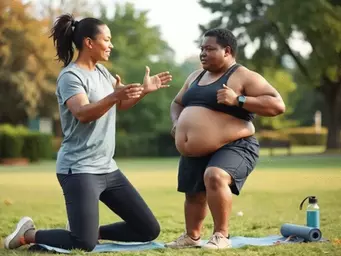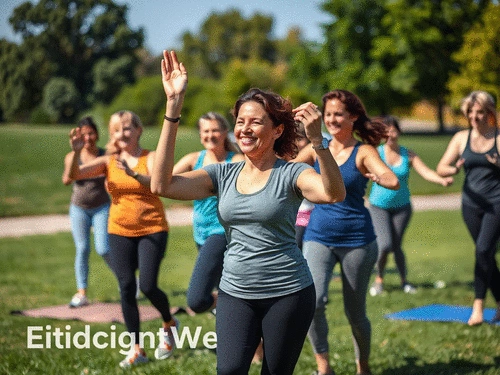
What if the key to managing obesity lies not just in diet and exercise, but in the community you build around your fitness journey? Group fitness classes create a vibrant ecosystem of support that can elevate your weight management experience far beyond solitary workouts.
What You Will Learn
- Group fitness classes provide emotional support, helping to reduce feelings of isolation during the weight management journey.
- Social connections formed in these classes can significantly increase motivation and commitment to healthier lifestyles.
- Accountability in a group setting helps maintain consistency in workouts and encourages attendance.
- Effective group fitness classes should include inclusive environments, a variety of exercises, and personalized modifications to cater to all fitness levels.
- Low-impact exercises like water aerobics and chair yoga are crucial for individuals managing obesity, ensuring safer workouts.
- Qualified instructors with the right credentials enhance the safety and enjoyment of group fitness experiences.
- Choosing the right class involves assessing personal fitness goals and finding a supportive community that aligns with those objectives.
- Engaging with local fitness communities, including family fitness programs, fosters a sense of belonging and shared motivation.
The Pillars of Group Fitness for Obesity Weight Management
Group fitness classes offer a unique blend of social interaction and physical activity. Discover the key benefits and features that make these classes effective for long-term weight management by fostering community, accountability, and sustainable habits.
Psychological Benefits of Social Connection
- ✓ Increased Motivation
- ✓ Emotional Support
- ✓ Reduced Anxiety
How Classes Foster Accountability & Consistency
- ✓ Regular Schedules
- ✓ Positive Peer Pressure
- ✓ Shared Goals
What Makes a Class Supportive for Weight Management?
- ✓ Inclusive Environments
- ✓ Variety of Exercises
- ✓ Personalized Modifications
The Importance of Qualified Fitness Instructors
- ✓ Certification & Experience
- ✓ Communication Skills
- ✓ Adaptability to Needs
Understanding the Role of Group Fitness Classes in Obesity Weight Management
When it comes to managing obesity, one aspect that often gets overlooked is the power of group fitness classes. These classes offer more than just physical activity; they create a sense of community that can significantly impact emotional well-being and long-term weight management. At What Is Obesity, we understand that overcoming challenges related to obesity often requires a supportive network. Let’s explore why group fitness matters!

Why Group Fitness Matters for Emotional and Physical Support
Group fitness classes provide a unique blend of social interaction and physical activity that can be incredibly motivating. Being part of a group can help you feel connected, reducing feelings of isolation that many individuals face when they are on their weight management journey. These classes not only offer a fun atmosphere but also create a space where participants can share their experiences and support each other. Have you ever noticed how much easier it is to push through a tough workout when you’re surrounded by like-minded individuals?
Exploring the Psychological Benefits of Social Connections
Research shows that social connections have profound psychological benefits. In group fitness settings, participants often form friendships, which can enhance their commitment to a healthier lifestyle. According to the CDC, regular physical activity is crucial for weight management, and group settings can make this more achievable. Here are some key benefits:
- Increased motivation: Encouragement from peers can push you to try harder and stay consistent.
- Emotional support: Sharing your struggles and successes with others fosters a supportive environment.
- Reduced anxiety: Being part of a group can alleviate stress and anxiety, making exercise feel more enjoyable.
These connections can be crucial in maintaining a positive outlook, especially when facing challenges in weight management. Remember, a supportive community can make all the difference!
How Group Classes Foster Accountability and Consistency
Accountability is a critical component of any weight management strategy. When you commit to a group fitness class, you’re not just making a promise to yourself; you’re also committing to others. This sense of accountability can help you stay on track with your goals. It’s easier to skip a workout when no one else is counting on you, isn’t it?
By participating in regular classes, you can develop consistency in your routine. The American College of Sports Medicine highlights the importance of consistent exercise for weight loss, a factor significantly boosted by group participation. Here are some ways group fitness promotes accountability:
- Regular schedules: Consistent class times help you build a routine and make exercising a habit.
- Peer pressure: Positive peer pressure can encourage you to show up, even on days you’d rather stay home.
- Shared goals: Working towards common goals with others boosts your commitment and determination.
Key Features of Effective Group Fitness Classes
Not all group fitness classes are created equal! To truly benefit from these sessions, it’s essential to identify key features that support effective weight management. Here’s what to look for:
What Makes a Class Supportive for Weight Management?
Supportive group fitness classes often incorporate elements that cater to the needs of participants, especially those managing obesity. These features can include:
- Inclusive environments: Classes should be welcoming to individuals of all fitness levels.
- Variety of exercises: Offering a mix of activities ensures everyone can find something they enjoy.
- Personalized modifications: Instructors should provide modifications for different fitness levels to prevent injury and encourage participation.
In short, a supportive class is one that recognizes and adapts to the diverse needs of its members, making everyone feel valued.
Identifying Classes That Promote Low-Impact Exercises for Obese Clients
For many individuals managing obesity, low-impact exercises are essential. These activities minimize stress on joints while still providing effective workouts. The growing trend of inclusive fitness, as noted by Les Mills, emphasizes the need for varied exercise options. Look for classes such as:
- Water aerobics: Provides resistance without the strain on joints.
- Chair yoga: Focuses on flexibility and balance while being gentle on the body.
- Modified strength training: Utilizes lighter weights and focuses on form to build strength safely.
Choosing classes that prioritize low-impact exercises can help ensure a safer and more enjoyable fitness journey!
The Importance of Qualified Fitness Instructors in Group Settings
Having qualified instructors is crucial to the success of group fitness classes. These professionals bring expertise and knowledge to the table, ensuring that exercises are performed safely and effectively. Here are some attributes to consider when assessing instructors:
- Certification and experience: Look for trainers with credentials in fitness and specialized training in working with obese clients.
- Communication skills: An effective instructor should be able to motivate and connect with participants, fostering a positive environment.
- Adaptability: Instructors should be able to modify exercises based on participants' needs and fitness levels.
Having a trustworthy instructor can significantly elevate your group fitness experience, making it both safe and enjoyable.
Pro Tip
Did you know? Finding a workout buddy can significantly enhance your motivation and consistency in group fitness classes. Having someone to share the experience with not only makes workouts more enjoyable but also helps you stay accountable to your fitness goals. Consider partnering with a friend or joining a class where you can meet new people who share similar health objectives!
Frequently Asked Questions About Group Fitness for Obesity Management
1. How do group fitness classes help with obesity weight management?
Group fitness classes provide emotional support, increase motivation through social connections, and foster accountability, all of which are crucial for consistent participation and long-term commitment to a healthier lifestyle. They help reduce feelings of isolation and make the fitness journey more enjoyable.
2. What kind of exercises are best for individuals managing obesity in a group setting?
Low-impact exercises are highly recommended to minimize stress on joints. Examples include water aerobics, chair yoga, and modified strength training. Look for classes that offer personalized modifications to suit different fitness levels and needs.
3. Why is a qualified instructor important for group fitness classes for obese clients?
Qualified instructors ensure that exercises are performed safely and effectively. They possess certifications and experience, particularly in working with diverse fitness levels, including obese clients. Their communication skills and adaptability help create a positive and supportive environment, preventing injury and maximizing benefits.
4. How can I find an inclusive group fitness class?
Look for classes that explicitly state they are welcoming to all fitness levels and abilities. Inquire about the availability of personalized modifications. Community centers, local gyms, and specialized fitness studios often offer programs designed with inclusivity in mind.
5. What are the psychological benefits of social connection in group fitness?
Social connections in group fitness lead to increased motivation, emotional support, and reduced anxiety. Sharing experiences with like-minded individuals fosters a sense of belonging, which can enhance commitment to fitness goals and overall well-being.
Taking the Next Steps Towards Inclusive Fitness
As we navigate the path of weight management, it's crucial to consider how to find the best group fitness class that aligns with our needs. This journey isn't just about numbers on a scale; it's about embracing a supportive community that encourages growth and progress. So, let's explore how to choose the right group fitness class for you!
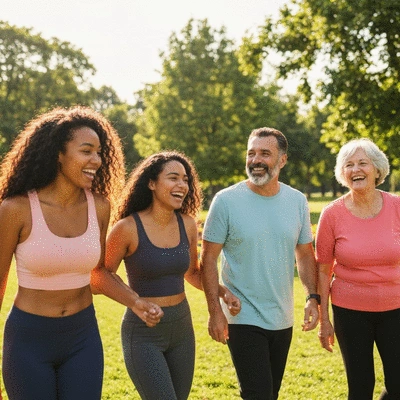
How to Choose the Right Group Fitness Class for You
Finding the right class begins with understanding your personal fitness goals and what type of community support you need. Are you looking to lose weight, gain strength, or simply feel more energized? Take a moment to reflect on your motivations. Here are some key factors to consider:
- Assess your fitness level and preferences.
- Define your specific goals—be it weight loss, improved endurance, or overall wellness.
- Consider the type of environment where you feel most comfortable.
By identifying these aspects, you'll be better equipped to choose a class that feels just right for you.
Identifying Your Fitness Goals and Community Needs
It’s essential to be clear about what you want to achieve. Perhaps you want to enhance your cardiovascular fitness or build muscle strength. Whatever your aim, ensure that the class you select aligns with those fitness objectives. Engaging with others who share similar goals can also foster a stronger sense of community.
Finding Programs that Emphasize Social Support
Look for programs that prioritize social connections. Classes that integrate team-building activities or group challenges can create a supportive atmosphere. This is particularly important for individuals managing obesity, as connection and encouragement can significantly impact motivation and adherence.
- Seek out classes with regular social events or meet-ups.
- Join groups that celebrate progress, no matter how small.
- Investigate local community centers or health clubs for inclusive options.
Exploring Various Class Formats to Suit Your Preferences
There are numerous formats available, each offering unique benefits. Whether you prefer high-energy workouts like Zumba or calming sessions like yoga, finding a format that resonates with you can enhance your experience. Here are some formats to consider:
- High-Intensity Interval Training (HIIT)
- Dance Classes like Zumba
- Yoga and Pilates for flexibility and core strength
- Strength training and boot camps for overall fitness
Choosing a format you enjoy will ensure that you stay engaged and motivated in your fitness journey!
Encouragement to Engage with Your Local Fitness Community
Involving yourself with your local fitness community can be a game changer! Not only does it provide you with resources and support, but it also fosters a sense of belonging. Consider joining family fitness programs or recreational classes, which often include activities for all ages and fitness levels.
Joining Family Fitness and Recreational Programs for Broader Support
Family fitness programs can create an environment where everyone participates together, making it easier to cultivate healthy habits as a unit. Plus, engaging with family and friends during workouts can strengthen your support network, making the journey towards better health more enjoyable.
- Participate in local park workouts or family fun runs.
- Look for community fitness challenges that encourage group participation.
- Join fitness classes that offer family rates or discounts.
These connections can help sustain your motivation, providing the encouragement you need to stick with your goals.
Summarizing the Benefits of Group Fitness Classes for Obesity Management
Group fitness classes offer numerous benefits for those managing obesity, particularly through the creation of a supportive community. Social support plays a critical role in achieving long-term success, reminding us that we don’t have to navigate this journey alone.
Recognizing the Importance of Social Support in Weight Loss
Establishing connections with others in your fitness journey is essential. When we feel supported, we're more likely to remain committed to our health goals. This sense of community can provide encouragement, accountability, and motivation, enabling us to overcome challenges together!
Long-Term Commitment through Community and Connection
In the long run, the bonds formed through group fitness can lead to lasting habits. By engaging with others, we can share our experiences, learn from each other, and celebrate successes—both big and small.
Final Thoughts: Your Path to Sustainable Weight Management
Embracing group fitness classes is not just about exercise; it's about creating a supportive environment that fosters growth and motivation. As we take these steps together, let’s remember that every small change contributes to a larger transformation. So, what class will you try next? Together, we can pave our way towards healthier lives!
Recap of Key Points
Here is a quick recap of the important points discussed in the article:
- Group fitness classes provide emotional support and promote a sense of community essential for weight management.
- Social connections in group settings enhance motivation and reduce feelings of isolation.
- Accountability from peers in group classes helps maintain consistency and commitment to fitness goals.
- Effective group fitness classes should be inclusive, offering a variety of exercises and personalized modifications.
- Low-impact exercises, such as water aerobics and chair yoga, are crucial for individuals managing obesity.
- Qualified instructors with expertise in working with obese clients significantly enhance the effectiveness of group fitness classes.
- Choosing classes that emphasize social support and shared goals can foster long-term commitment to health and fitness.