Taking charge of your health starts with understanding key metrics. Knowing your body fat percentage and obesity risk can be empowering. Are you ready to unlock the insights that lead to better health?
What You Will Learn
- Body fat is a crucial health metric that goes beyond physical appearance, impacting overall health.
- Accurate measurement of body fat can help assess risks for conditions like heart disease and diabetes.
- Common methods for measuring body fat include BMI, waist circumference, and emerging techniques like 3-D body scanners.
- Regular monitoring and understanding your measurements can guide effective lifestyle changes and goal setting.
Understanding Body Fat Measurement Methods
This visual demonstrates various methods for assessing body fat, categorized by their accessibility and accuracy, along with their key characteristics and typical applications. Each method offers a unique approach to understanding body composition.
Body Mass Index (BMI)
Method: Height & Weight calculation (kg/m²).
Pros: Simple, widely used, good starting point.
Cons: Doesn't differentiate fat from muscle, less accurate for athletes.
Risk Factor: General indicator of weight status, but not fat distribution.
Waist Circumference
Method: Measuring tape around waist.
Pros: Simple, good indicator of visceral fat.
Cons: Doesn't give total body fat percentage.
Risk Factor: High visceral fat linked to metabolic diseases.
Waist-to-Height Ratio
Method: Waist circumference / Height.
Pros: Better health risk assessment than BMI.
Cons: Still an indirect measure of body fat.
Risk Factor: Ratio > 0.5 indicates increased health risks.
Skinfold Calipers
Method: Pinching skin at specific sites (tricep, abdomen, thigh).
Pros: Direct fat measurement, practical.
Cons: Requires practice, accuracy depends on technique.
Risk Factor: Provides body fat percentage estimate.
Bioelectrical Impedance Analysis (BIA)
Method: Electrical current through body.
Pros: Non-invasive, convenient (home devices).
Cons: Affected by hydration, less accurate than clinical methods.
Risk Factor: Provides body fat percentage estimate.
DXA Scans
Method: Dual-Energy X-ray Absorptiometry.
Pros: Gold standard, highly accurate, detailed composition.
Cons: Costly, clinical setting required, less accessible.
Risk Factor: Detailed fat distribution and body fat percentage.
Hydrostatic Weighing & Bod Pod
Method: Body density (water/air displacement).
Pros: Very precise body fat percentage.
Cons: Impractical for everyday use, specialized equipment.
Risk Factor: In-depth body composition analysis.
3-D Body Scanners
Method: Detailed 3D imaging.
Pros: Comprehensive analysis of fat distribution & shape.
Cons: Emerging technology, still evolving accessibility.
Risk Factor: Advanced insights into body shape and fat distribution.
Understanding Body Fat and Obesity: Key Metrics Explained
When we think about obesity, it's essential to understand the role of body fat. Body fat isn't just a number; it's a crucial metric that helps us gauge health and well-being. Understanding body fat and the metrics associated with it can empower us to take control of our health and make informed decisions. At What Is Obesity, we believe that knowledge is the first step towards effective management of obesity.
Measuring body fat and recognizing its significance can be overwhelming, but it shouldn't be! It's about finding the right tools and metrics that resonate with you. Let's dive into the essentials of body fat and why these measurements matter.
Body fat is a natural part of our body composition, but excess fat can lead to serious health issues like heart disease, diabetes, and certain cancers. Knowing your body fat percentage can help you assess your risk of obesity-related conditions. Remember, it's not just about how you look, but how your body functions! Are you ready to understand how to measure it?
By exploring body fat metrics, you can better understand your unique health profile. This information allows you to tailor your health journey with greater precision. After all, each individual is different, and so are their health needs.
Why Accurate Measurement Matters for Health
Accurate measurements are critical for effective health management. Without precise data, it’s easy to overlook significant health risks. Tracking body fat percentage can help you monitor your progress and adapt your lifestyle choices accordingly. Wouldn’t it be great to know exactly how your habits affect your body?
Moreover, accurate measurements guide healthcare professionals in providing tailored advice. This way, you can avoid one-size-fits-all solutions and get the personalized support you deserve!
Common Methods of Assessing Body Fat
Body Mass Index (BMI): What It Is and How to Use It
One of the most common ways to assess obesity is through Body Mass Index (BMI). This simple calculation uses your height and weight to estimate body fat. While it’s not perfect, it’s a useful starting point for many. The CDC provides comprehensive information about BMI, including how to calculate it and its implications for health. Here’s how to calculate it:
- Measure your weight in kilograms.
- Measure your height in meters.
- Divide your weight by your height squared (kg/m²).
BMI can help categorize your weight status, but remember, it doesn’t differentiate between fat and muscle. So, it’s important to use it alongside other metrics for a comprehensive view!
Waist Circumference: A Simple Indicator of Health Risk
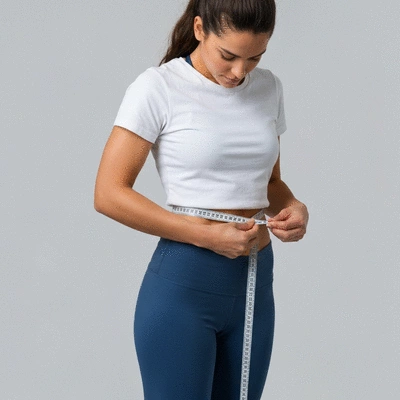
Another straightforward method is measuring your waist circumference. This measurement provides insight into visceral fat, which is a significant risk factor for metabolic diseases. To measure your waist:
- Stand upright and find the top of your hip bone.
- Wrap a measuring tape around your waist, just above your hip bone.
- Make sure the tape is snug but not compressing your skin.
Keep an eye on this measurement, as a larger waist circumference can indicate higher risk for obesity-related health issues!
Waist-to-Height Ratio: An Emerging Metric for Health Assessment
The waist-to-height ratio is gaining popularity as an emerging health indicator. Research suggests that this ratio can provide a better assessment of health risks compared to BMI alone. To calculate it, simply divide your waist circumference by your height. Generally, a ratio above 0.5 is associated with increased health risks.
This simple yet effective metric can help you understand your body better. Are you curious about how your ratio stacks up? Tracking this can lead to powerful insights!
Skinfold Calipers: A Practical Approach for Body Fat Measurement
Using skinfold calipers is a hands-on method for measuring body fat. This technique involves pinching the skin at specific sites on your body to gauge fat thickness. While it may require some practice, it can offer a more direct look at your body composition. Here’s a quick rundown of where to measure:
- Tricep
- Abdomen
- Thigh
Once you have your measurements, you can use them to estimate your overall body fat percentage. This method is particularly popular among fitness enthusiasts and health professionals!
Bioelectrical Impedance Analysis (BIA): Convenience vs. Accuracy
Bioelectrical impedance analysis (BIA) is another common method for estimating body fat. This technique uses a small electrical current that passes through your body to estimate body composition. It’s non-invasive and often found in scales and handheld devices.
While BIA is convenient, it can be affected by hydration levels, so it’s essential to follow consistent protocols for accurate results. Have you thought about using a BIA device at home? It could be a helpful tool in your health journey!
DXA Scans: The Clinical Gold Standard Explained
For those seeking the most accurate assessment, DXA (Dual-Energy X-ray Absorptiometry) scans are considered the gold standard. These scans provide detailed information on body composition, including fat distribution. Though typically performed in clinical settings, they can give you precise insights into your health.
However, DXA scans can be costly and less accessible, so it’s usually recommended for specific cases. It brings to light how advanced technology can enhance our understanding of obesity!
Hydrostatic Weighing and Bod Pod: In-Depth Body Composition Analysis
Hydrostatic weighing and the Bod Pod are methods that measure body density to estimate body fat percentage. Hydrostatic weighing involves submerging in water, while the Bod Pod uses air displacement. Both methods are precise but can be less practical for everyday use.
These assessments can provide in-depth insights, making them popular in research settings or specialized clinics. Are you intrigued by the science behind these methods?
Emerging Technologies: 3-D Body Scanners and Their Benefits
Lastly, emerging technologies like 3-D body scanners are revolutionizing the way we assess body composition. These scanners capture detailed images of your body, allowing for a comprehensive analysis of fat distribution and body shape.
While still evolving, these technologies could soon become more accessible and provide invaluable data for health assessments. Imagine having your body shape analyzed quickly and accurately!
Choosing the Right Measurement Method for Your Needs
Decision Guide: Home vs. Clinical Assessments
Choosing the right measurement method ultimately depends on your goals and access to resources. Here’s a quick decision guide:
- For quick assessments: Consider BMI or waist circumference.
- If you're tracking progress at home: BIA devices or skinfold calipers are user-friendly.
- For in-depth analysis: Seek clinical options like DXA scans or hydrostatic weighing.
Take a moment to reflect on what you wish to achieve. The right method can make all the difference in your health journey!
Pros and Cons of Each Measurement Method
Each measurement method has its strengths and weaknesses. Here’s a brief overview:
- BMI: Easy to calculate but doesn't differentiate between fat and muscle.
- Waist circumference: Simple and effective but doesn't provide a full picture of body composition.
- BIA: Convenient but can be affected by hydration levels.
- DXA: Highly accurate but can be costly and less accessible.
Understanding these pros and cons can help you make informed decisions about your health measurements.
Factors Affecting Accuracy: What You Need to Know
Several factors can influence the accuracy of your measurements, including:
- Hydration status
- Time of day
- Recent physical activity
By being mindful of these factors, you can improve the reliability of your results. Consistency is key when assessing changes over time!
Step-by-Step Instructions for Key Measurements
How to Measure Waist Circumference Correctly
Measuring your waist circumference is straightforward. Here’s how to do it accurately:
- Stand up straight and locate the top of your hip bone.
- Wrap a flexible measuring tape around your waist, just above the hip bone.
- Make sure the tape is snug but not tight, and note the measurement.
Recording this number regularly will help you track changes in your body composition over time!
Skinfold Measurement Techniques: Accurate Protocols
To perform skinfold measurements accurately, follow these steps:
- Pinch the skin at the designated sites (e.g., tricep, abdomen).
- Use the caliper to measure the thickness of the fold.
- Record the readings and calculate your body fat percentage using appropriate formulas.
Practice makes perfect, so don’t be discouraged if it doesn’t feel perfect at first!
Using BIA Devices: Best Practices for Home Measurement
When using BIA devices, consider these best practices:
- Measure at the same time each day, preferably in the morning.
- Avoid eating or drinking for a few hours before measurement.
- Stay consistent with your positioning and posture.
These practices will enhance the reliability of your body fat readings and help you make informed decisions about your health!
Interpreting Your Body Fat Measurements
Understanding BMI Categories and Their Implications
Once you have your measurements, interpreting them is vital for your health journey. BMI categories help define your weight status:
- Underweight: BMI under 18.5
- Normal weight: BMI 18.5 - 24.9
- Overweight: BMI 25 - 29.9
- Obese: BMI 30 and above
Understanding where you stand can guide your next steps toward a healthier lifestyle!
How Waist Circumference Relates to Health Risks and Obesity
Your waist circumference is not just a number; it’s a direct indicator of health risk. A larger waist circumference is often linked to higher risks of:
- Type 2 diabetes
- Heart disease
- Hypertension
Keeping track of this measurement is crucial for assessing your health and taking proactive steps!
Translating Body Fat Percentage into Actionable Health Insights
Your body fat percentage can provide valuable insights into your health status. Generally, healthy body fat percentages are:
- Women: 21% - 35%
- Men: 8% - 24%
If your percentage falls outside these ranges, consider consulting a health professional for tailored advice and strategies to improve your body composition.
Understanding Fat Distribution: Visceral vs. Subcutaneous Fat
Lastly, understanding the difference between visceral and subcutaneous fat can help you assess your health better. Visceral fat surrounds organs and poses higher health risks, while subcutaneous fat is stored beneath the skin. Keeping an eye on fat distribution can help you make informed health choices!
By understanding these key metrics, you can take meaningful steps towards managing your health and well-being effectively. Remember, at What Is Obesity, we are here to support you on this journey!
Frequently Asked Questions (FAQs)
What is the most accurate way to measure body fat percentage?
DXA (Dual-Energy X-ray Absorptiometry) scans are considered the gold standard for measuring body fat percentage due to their high accuracy and detailed composition analysis. Hydrostatic weighing and Bod Pod measurements also offer very precise results.
Can BMI accurately tell me my body fat percentage?
No, BMI (Body Mass Index) uses height and weight to estimate weight status but does not differentiate between fat and muscle. While it's a useful starting point, it doesn't provide an accurate body fat percentage and can be less accurate for athletes with high muscle mass.
Why is waist circumference important for assessing health risk?
Waist circumference is a simple and effective indicator of visceral fat, which is the fat stored around internal organs. High visceral fat is strongly linked to increased risks of metabolic diseases, type 2 diabetes, heart disease, and hypertension.
Are home body fat scales (BIA devices) reliable?
Bioelectrical Impedance Analysis (BIA) devices found in home scales are convenient and non-invasive. However, their accuracy can be significantly affected by hydration levels, time of day, and recent physical activity. Consistency in measurement protocols is key to getting more reliable results.
What is a healthy body fat percentage range?
Generally, healthy body fat percentages are 21% - 35% for women and 8% - 24% for men. These ranges can vary slightly based on age, activity level, and individual health goals.
Interactive Poll: Your Measurement Experience
We want to know, which method of measuring body fat are you most interested in trying? Your input can help others on their health journeys!
Taking Control of Your Health: Next Steps After Measurement
After you've taken the important step of measuring your body fat and assessing your obesity risk, it's time to take action! Knowing your numbers can be empowering, but what comes next? It’s crucial to have a plan in place that allows you to harness this information effectively. Let’s explore how to navigate the next steps to improve your health.
When to Seek Professional Guidance
Understanding the importance of regular monitoring cannot be overstated. It’s not just about one measurement; continuous tracking provides insight into trends and patterns over time. If your results raise concerns, or if you're unsure how to interpret your findings, don’t hesitate to reach out to a healthcare provider. They can offer personalized advice tailored to your needs, which can be invaluable.
Understanding the Importance of Regular Monitoring
Regular monitoring helps you stay on track and adjust your health strategies as needed. Here are some benefits of consistent assessments:
- Identifying shifts in body fat percentage over time
- Tracking the effectiveness of your health interventions
- Setting benchmarks for future health goals
By keeping a close eye on your measurements, you can make informed decisions about your wellness journey!
How to Communicate Your Results to Healthcare Providers
Effective communication with healthcare providers is essential. When discussing your measurements, consider being prepared with:
- Your current body fat percentage and any relevant history
- Specific questions about your results and potential health implications
- Details on any lifestyle changes you've implemented
Being proactive in your discussions not only fosters a collaborative relationship with your healthcare provider but can also lead to better health outcomes.
Creating a Sustainable Health Plan Based on Your Measurements
Now that you have your measurements, it’s time to create a plan that fits your lifestyle. A sustainable health strategy is crucial for long-term success! Here’s how you can get started.
Setting Realistic Goals for Body Composition and Weight Management
Setting goals can be both exciting and daunting. Focus on making your goals specific, measurable, achievable, relevant, and time-bound (SMART). For example:
- Lose 1-2 pounds per week
- Reduce body fat percentage by 1% over the next three months
- Incorporate at least 150 minutes of moderate exercise weekly
Remember, progress is often slow and steady, so be kind to yourself along the way!
Implementing Lifestyle Changes to Improve Body Fat Percentage
Small adjustments to daily habits can lead to significant improvements over time. Consider the following changes:
- Prioritize whole foods over processed options
- Stay hydrated by drinking plenty of water
- Get adequate sleep and manage stress levels
These changes not only affect body composition but also enhance overall well-being.
Incorporating Nutrition and Physical Activity into Your Health Strategy
Nutrition and physical activity are the cornerstones of a healthy lifestyle. Here are some tips to integrate them effectively:
- Create balanced meals that include protein, healthy fats, and complex carbohydrates
- Find enjoyable forms of exercise, like walking, cycling, or group classes
- Set aside time each week for meal prep and planning
By making these components enjoyable and sustainable, you set yourself up for lasting success!

Enhancing Your Measurement Experience
Utilizing Resources and Tools for Accurate Assessments
Taking charge of your health journey is easier with the right resources. At What Is Obesity, we are committed to providing tools that can enhance your measurement experience.
Downloadable Measurement Log and Protocol Templates
Utilizing a measurement log can help you keep track of your body fat assessments and any changes over time. Consider downloading our customizable templates to make the process seamless!
Interactive Decision Matrix: Finding the Right Method for You
Need help choosing a measurement method? Our interactive decision matrix can guide you through selecting the right approach based on your preferences and health goals.
Leveraging CDC and WHO Guidelines for Obesity Prevention
Stay informed about the latest health guidelines from trusted sources. For instance, the CDC provides evidence-based guidelines for preventing childhood obesity, while the CDC also publishes research on effective obesity prevention strategies for various populations. These organizations provide valuable information that can enhance your understanding of obesity management and prevention strategies.
Your Path to Health: Summary and Call to Action
In summary, measuring body fat and understanding obesity risk is the first step toward a healthier you. By seeking professional guidance, creating a sustainable health plan, and utilizing available resources, you can take control of your health journey. Are you ready to start measuring and tracking your progress? Embrace this journey, and let’s move forward together!
Recap of Key Points
Here is a quick recap of the important points discussed in the article:
- Understanding body fat and its importance is crucial for assessing health risks associated with obesity.
- Accurate measurement methods, such as BMI, waist circumference, and body fat percentage, are essential for effective health management.
- Each measurement method has its pros and cons, and the right choice depends on individual health goals and access to resources.
- Tracking body fat and waist circumference over time can help monitor health and guide lifestyle changes.
- Regular consultations with healthcare providers can provide personalized advice and support on your health journey.