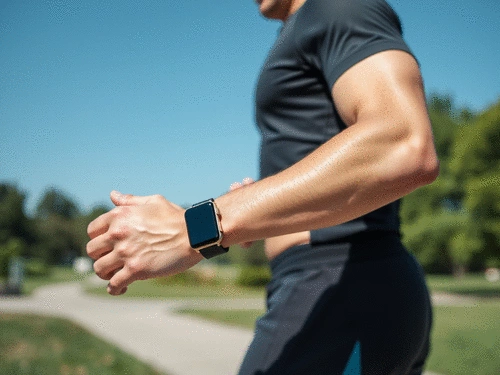
What if the key to successful obesity management lies in the wearable technology you already have? With the rapid evolution of fitness trackers and health apps, understanding how to leverage these tools can revolutionize your health journey.
What You Will Learn
- Wearable fitness devices provide real-time data, enabling users to track their health metrics effectively.
- Setting personalized fitness goals through wearables can enhance motivation and accountability.
- Self-monitoring of diet and physical activity through fitness trackers encourages healthier lifestyle changes.
- Health apps complement wearables by providing a holistic view of diet, caloric intake, and additional health metrics.
- Recent trends indicate the integration of AI and advanced technology for personalized health recommendations.
- Balancing technology use with traditional interventions can provide a more effective approach to obesity management.
Key Roles of Wearable Technology in Obesity Management
Wearable devices and health apps provide crucial support in tracking progress, influencing behavior, and ensuring comprehensive management.
Tracking Progress
- Real-time data collection
- Personalized goal setting
- Regular progress updates
Influencing Behavior
- Increased physical activity
- Self-monitoring of diet
- Improved sleep quality
Comprehensive Management
- Nutrition tracking
- Caloric goal setting
- Wearable integration
Future Directions
- AI for personalized recommendations
- Smarter sensors
- User-friendly interfaces
Understanding Wearable Fitness Technology in Obesity Treatment
In recent years, wearable fitness technology has emerged as a powerful tool in managing obesity. These devices, such as smartwatches and fitness trackers, have become integral in monitoring health metrics, making it easier for individuals to gain insights into their physical activities and overall well-being. At What Is Obesity, we believe that understanding how to effectively use these technologies can help you take meaningful steps toward achieving your health goals!
With wearable devices, users can track various metrics like heart rate, steps taken, and even sleep quality. This real-time feedback allows individuals undergoing obesity treatment to stay motivated and informed about their progress. Have you ever wondered how tracking these metrics can lead to better health outcomes? It’s all about awareness and engagement!
The Role of Wearable Devices in Tracking Obesity Progress
Wearable devices play a crucial role in helping individuals monitor their obesity treatment journey. They provide a convenient way to observe key health indicators over time. Here are some benefits of using these technologies:
- Real-time data collection: Users can instantly see how their activities impact their health.
- Goal setting: Many devices allow users to set personalized fitness goals, which can help maintain motivation.
- Progress tracking: Regular updates on weight loss, activity levels, and other health metrics encourage accountability.
Through this continuous tracking, individuals can identify patterns in their habits, which is essential for effective obesity management. It’s about transforming data into actionable insights!

How Wearable Fitness Trackers Influence Behavioral Changes
Fitness trackers not only help with tracking but also play a significant role in influencing behavioral changes. Research indicates that individuals who use these devices tend to increase their physical activity and improve their diet and sleep habits. This is particularly evident across various demographics. For instance, a study published by PMC NCBI highlighted the positive impact of wearable devices on physical activity levels.
- Increased Physical Activity: Users often find themselves walking more or engaging in other forms of exercise as they monitor their daily steps and active minutes.
- Self-Monitoring of Diet: Many trackers allow users to log their meals, leading to more mindful eating choices.
- Improved Sleep Quality: By tracking sleep patterns, users can make necessary adjustments to their nighttime routines to enhance rest.
By encouraging self-monitoring and reflecting on lifestyle choices, these devices can promote healthier habits. When was the last time you checked in on your daily activities? It’s a simple yet effective way to stay on track!
Utilizing Health Apps for Comprehensive Obesity Management
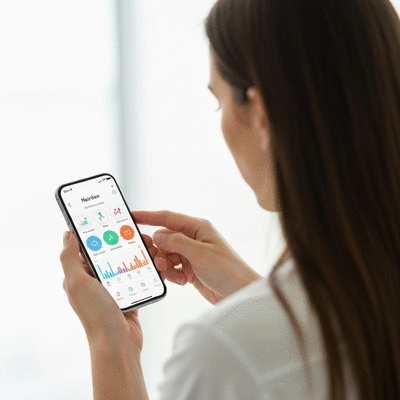
In conjunction with wearable devices, health apps offer an excellent way to manage various aspects of obesity treatment. These apps can track nutrition, caloric intake, and other health metrics, providing users with a holistic view of their health journey.
- Nutrition Tracking: Users can log their meals and receive feedback on nutritional values.
- Caloric Goals: Many apps set personalized caloric intake goals based on individual needs.
- Integration with Wearables: Health apps often sync with wearable devices to consolidate data in one place.
This comprehensive approach allows individuals to see how their diet and activity levels affect their overall health. By leveraging technology in this way, you can make informed decisions that lead to better outcomes!
We Want to Hear From You!
How has wearable fitness technology impacted your health journey? Share your thoughts below:
Summarizing Key Insights on Wearable Fitness Technology
As we reflect on the role of wearable fitness technology in obesity management, it's clear that the landscape is rapidly evolving. Current trends show a significant shift towards integrating these devices with advanced technologies like artificial intelligence and nutrition tracking apps. This personalized approach to health management is set to enhance how we monitor and address obesity. For instance, Northwestern University is developing more accurate fitness trackers for people with obesity, ensuring better data collection and more relevant insights.
Ongoing research continues to reveal how wearables can effectively track not just physical activity, but also dietary habits and metabolic health. With these advancements, the potential for tailored interventions becomes incredibly promising. Have you thought about how a smart device might transform your own health journey?
Current Trends and Future Directions in Obesity Treatment
- Integration of AI for personalized recommendations
- Development of smarter sensors for precise tracking, including advancements like those discussed by Northwestern's Feinberg School of Medicine regarding wearable sensors reshaping obesity treatment.
- Increased collaboration with diet apps to manage caloric intake
- Focus on user-friendly interfaces to promote accessibility
These trends underscore a growing recognition of the importance of data-driven health management. As a health professional, I see immense value in utilizing these technologies not only for tracking progress but also for fostering accountability in our obesity treatment strategies.
Encouraging Engagement: How to Start Using Wearable Devices
If you're considering incorporating wearable technology into your obesity treatment plan, here are a few practical tips to get started:
- Set realistic and achievable goals to track your progress.
- Choose a device that fits your lifestyle and preferences—think about features that matter most to you.
- Engage with health apps that complement your device for a holistic view of your health.
- Stay motivated by joining online communities or forums where you can share experiences and insights.
Starting on this journey doesn't have to be overwhelming! By taking small, manageable steps, you can gradually integrate these technologies into your daily routine.
Maximizing Fitness Goals with Data Analytics and Behavioral Modification
The power of data analytics from wearable devices can significantly inform your fitness goals. By analyzing patterns in your activity levels and dietary habits, you can identify trends that may help in modifying behaviors for better weight management.
Consider the following:
- Using analytics to pinpoint times of day when you're less active and planning ways to increase movement during those periods.
- Tracking your caloric intake and comparing it with your activity levels to understand your energy balance.
- Setting up reminders or alerts based on your data to keep you on track.
With these insights, you can create a tailored approach that aligns with your personal health goals. It’s all about making informed decisions that work best for you!
Final Thoughts: The Intersection of Technology and Health Management
Balancing Technology Use with Traditional Interventions
While wearable devices offer numerous benefits, it’s crucial to remember that they should complement traditional obesity treatment methods. Incorporating dietary counseling and physical activity guidance alongside technology can provide a well-rounded approach to health management.
As I often tell my clients at What Is Obesity, the journey to better health is not one-size-fits-all. By blending modern tools with tried-and-true methods, you set yourself up for success.
Call to Action: Begin Your Journey with Wearable Fitness Tech
Ready to take the plunge? Explore different wearable fitness technologies and consider how they can enhance your obesity management efforts. Whether it's a simple pedometer or a sophisticated smartwatch, the right device can make a world of difference. Let's embrace these tools together and take that first step towards a healthier you!
Frequently Asked Questions (FAQs)
- Q: How do wearable devices help in obesity management?
- A: Wearable devices track key health metrics like heart rate, steps, and sleep, providing real-time data that helps users monitor progress, set personalized goals, and stay motivated in their obesity treatment journey.
- Q: What behavioral changes can fitness trackers encourage?
- A: Fitness trackers can encourage increased physical activity by monitoring steps and active minutes, promote self-monitoring of diet through meal logging, and improve sleep quality by tracking sleep patterns.
- Q: How do health apps complement wearable devices in obesity management?
- A: Health apps track nutrition and caloric intake, offering a holistic view of health. They often sync with wearable devices to consolidate data, enabling users to make informed decisions about their diet and activity levels.
- Q: What are the future trends in wearable technology for obesity treatment?
- A: Future trends include the integration of AI for personalized recommendations, the development of smarter sensors for precise tracking, increased collaboration with diet apps, and a focus on user-friendly interfaces to enhance accessibility.
- Q: Should wearable technology replace traditional obesity interventions?
- A: No, wearable technology should complement traditional obesity treatment methods like dietary counseling and physical activity guidance. A blended approach using both modern tools and tried-and-true methods offers the most well-rounded and effective path to health management.
Recap of Key Points
Here is a quick recap of the important points discussed in the article:
- Wearable fitness technology, such as smartwatches and fitness trackers, aids in managing obesity by monitoring health metrics.
- Real-time data collection and personalized goal setting enhance motivation and accountability.
- Fitness trackers influence positive behavioral changes, leading to increased physical activity, mindful eating, and improved sleep quality.
- Health apps complement wearable devices by tracking nutrition and caloric intake, providing a holistic view of health management.
- Trends indicate a future integration of AI and smarter sensors for personalized health interventions.
- Setting realistic goals and engaging with supportive communities can enhance the effectiveness of wearable technology in obesity treatment.