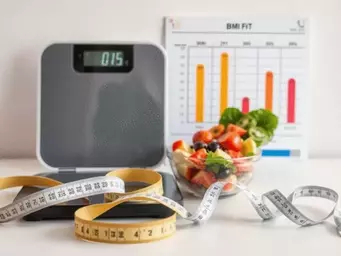
Research shows that engaging in postnatal fitness not only aids in physical recovery but significantly contributes to metabolic health. What if a structured fitness plan could be the key to a healthier you and your family?
What You Will Learn
- The crucial connection between postnatal fitness and effective obesity prevention.
- Key metabolic health metrics impacted by postnatal exercise, including BMI and blood pressure.
- The importance of integrating nutritional guidance with fitness for optimal recovery and health.
- Strategies for establishing realistic fitness goals to sustain postnatal fitness over time.
Impact of Postnatal Exercise on Metabolic Health Metrics
Postnatal fitness significantly influences key metabolic health metrics by improving body composition, blood sugar, and cardiovascular health. Below is a comparison of these vital areas.
Metabolic Health Improvements
Postnatal exercise contributes to a healthier metabolic state, impacting several critical areas.
- ✓ Improved metabolic rate
- ✓ Enhanced energy levels
- ✓ Better weight management
- ✓ Reduced risk of postpartum depression
Key Metabolic Metrics
Monitoring these metrics provides insight into health progress and recovery post-childbirth.
- ● Body Mass Index (BMI)
- ● Waist circumference
- ● Blood pressure
- ● Cholesterol levels
Understanding Postnatal Fitness Plans and Their Importance for Metabolic Health
When we think about postnatal fitness, it's crucial to understand its significance for not just physical recovery, but also for metabolic health. After giving birth, women's bodies undergo substantial changes, and regular exercise can play a vital role in helping them regain their strength and manage their weight. As a health professional with a passion for empowering individuals through education, I've seen firsthand how postnatal fitness can contribute to long-term health improvements, especially in preventing obesity. For more detailed insights into the importance of physical activity during the postpartum period, refer to the American College of Obstetricians and Gynecologists' guidelines.
Engaging in a structured fitness plan after childbirth is more than just about losing weight; it’s an essential step towards enhancing overall wellness and metabolic function. By focusing on postnatal fitness, new mothers can positively influence their health and set a strong foundation for their families.
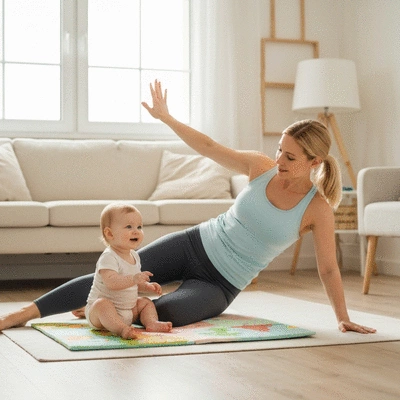
The Connection Between Postnatal Fitness and Obesity Prevention
Research indicates a strong link between postnatal exercise and obesity prevention. Engaging in physical activity helps regulate hormones, improve insulin sensitivity, and maintain a healthy weight. Imagine how a simple routine of daily walks or yoga can not only boost your mood but also create a buffer against obesity! The Journal of Perinatal Education offers further evidence on the long-term benefits of such interventions.
- Improved metabolic rate
- Enhanced energy levels
- Better weight management
- Reduced risk of postpartum depression
Each of these benefits contributes to a holistic approach to health that can last a lifetime. By prioritizing fitness, you’re not just taking care of yourself; you’re also paving the way for a healthier environment for your children.
Key Metabolic Health Metrics Impacted by Postnatal Exercise
When we talk about metabolic health metrics, there are specific areas that significantly benefit from postnatal exercise. This includes improvements in body composition, blood sugar levels, and cardiovascular health. Here are some critical metrics to consider:
- Body Mass Index (BMI)
- Waist circumference
- Blood pressure
- Cholesterol levels
Monitoring these metrics can provide insight into your health journey and motivate you to stay committed. As a new mother, maintaining these standards can help ensure your body recovers effectively, allowing you to embrace motherhood with vitality! The Journal of Orthopaedic & Sports Physical Therapy highlights the role of physical therapists in guiding postnatal recovery and improving metabolic health.
The Role of Nutritional Guidance in Supporting Metabolic Health
Nutrition plays a pivotal role in enhancing the benefits of your postnatal fitness plan. While exercise is essential, eating a balanced diet rich in whole foods will help fuel your recovery and support metabolic health. Incorporating a variety of nutrient-dense foods is crucial during this time.
- Fruits and vegetables for vitamins and minerals
- Lean proteins for muscle repair
- Whole grains for sustained energy
- Healthy fats for hormone balance
It's all about finding the right balance that works for you! Pairing exercise with proper nutrition can set the stage for not just recovery, but also ongoing health and well-being. So let’s take this journey together, making informed choices for ourselves and our families!
Pro Tip
To enhance your postnatal fitness routine, consider incorporating mindfulness practices such as meditation or deep breathing. These techniques can help reduce stress, improve focus, and create a more balanced approach to your fitness journey. Remember, mental well-being is just as important as physical health!
Frequently Asked Questions About Postnatal Fitness and Metabolic Health
Strategies for Sustaining Postnatal Fitness Beyond the Initial Months
As a new mother, maintaining a postnatal fitness routine can feel overwhelming, but it’s essential for long-term health and well-being! Sustaining fitness beyond those initial months requires planning, dedication, and a holistic approach that incorporates both exercise and nutrition. Let’s explore some effective strategies to help you stay on track as you navigate this exciting yet challenging phase of life!
Establishing Realistic Goals and Timelines
Setting realistic fitness goals is crucial for success. Instead of aiming for drastic changes, focus on small, achievable milestones that can gradually lead you toward your overall fitness objectives. Think about what you want to achieve—whether it’s improving stamina, losing weight, or simply feeling more energetic.
- Set specific, measurable, achievable, relevant, and time-bound (SMART) goals.
- Track your progress regularly to stay motivated and adjust as needed.
- Incorporate short-term goals that lead to a long-term vision for your health.
By keeping your goals realistic and celebrating small victories, you’ll find it easier to stay committed to your fitness journey. Remember, progress is progress, no matter how small!
Integrating Nutrition with Fitness for Optimal Results
Nutrition and fitness go hand in hand, especially during the postnatal period. Pairing your exercise routine with a balanced diet can significantly enhance your results and support your body’s recovery. Here, I’ll share some strategies for integrating effective dietary plans into your fitness journey.
Creating Effective Dietary Plans to Complement Fitness Routines
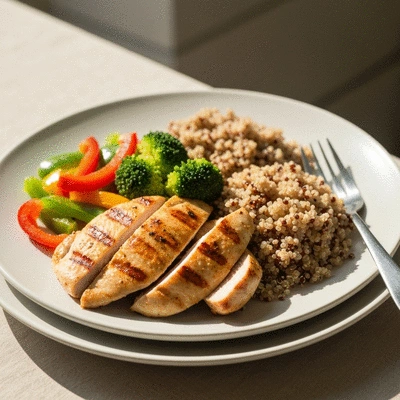
To maximize the benefits of your workouts, it’s essential to fuel your body with the right nutrients. Here are some key components to consider when creating your dietary plan:
- Focus on whole foods: Incorporate a variety of fruits, vegetables, whole grains, and lean proteins into your diet.
- Stay hydrated: Drink plenty of water to support metabolism and overall health.
- Monitor portion sizes: Be mindful of portions to avoid overeating, especially when snacking.
- Plan meals ahead: Preparing meals in advance can save you time and ensure that you have healthy options readily available.
By combining a balanced diet with your postnatal fitness routine, you’ll not only support your body’s recovery but also enhance your energy levels and overall mood. As you embark on this journey, remember that the right nutrition is just as important as the exercise itself! Let’s move forward with enthusiasm and commitment to our health!
Recap of Key Points
Here is a quick recap of the important points discussed in the article:
- Postnatal fitness is crucial for physical recovery and metabolic health after childbirth.
- Regular exercise helps regulate hormones, improve insulin sensitivity, and maintain a healthy weight, contributing to obesity prevention.
- Key metabolic health metrics impacted by postnatal exercise include BMI, waist circumference, blood pressure, and cholesterol levels.
- A balanced diet rich in whole foods supports recovery and enhances the benefits of exercise.
- Setting realistic fitness goals and tracking progress can help sustain a postnatal fitness routine.
- Integrating nutrition with fitness is essential for optimal results, including meal planning and staying hydrated.